
Choosing the Right Insulation R Value for High-Performance Homebuilding
Thermal control defines the long-term comfort and efficiency of every home. As energy codes tighten and building science evolves, insulation performance is under more scrutiny than ever.
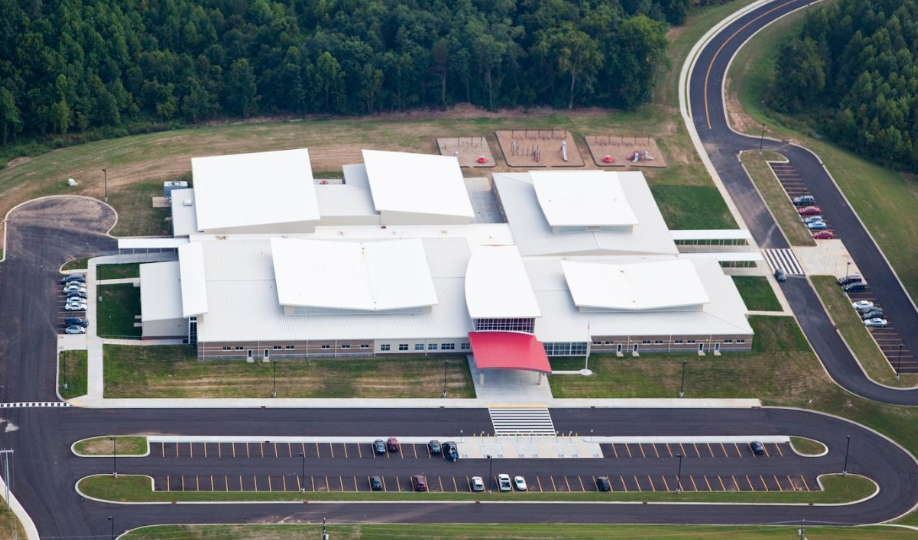
Why More School Boards Are Turning to ICF School Construction for Long-Term Cost Savings

What Is Construction Phasing and Why Is It Important?
Construction phasing is revolutionizing the way we approach building projects. By dividing a project into manageable segments, it is a strategic method for tackling large-scale developments while also maintaining operational continuity.

8 Energy Star Requirements for New Homes and How to Meet Them
Building Beyond Code with ICF
While it may seem that having to comply with constantly-evolving building codes is just part of doing business in a modern society, that’s not really true.
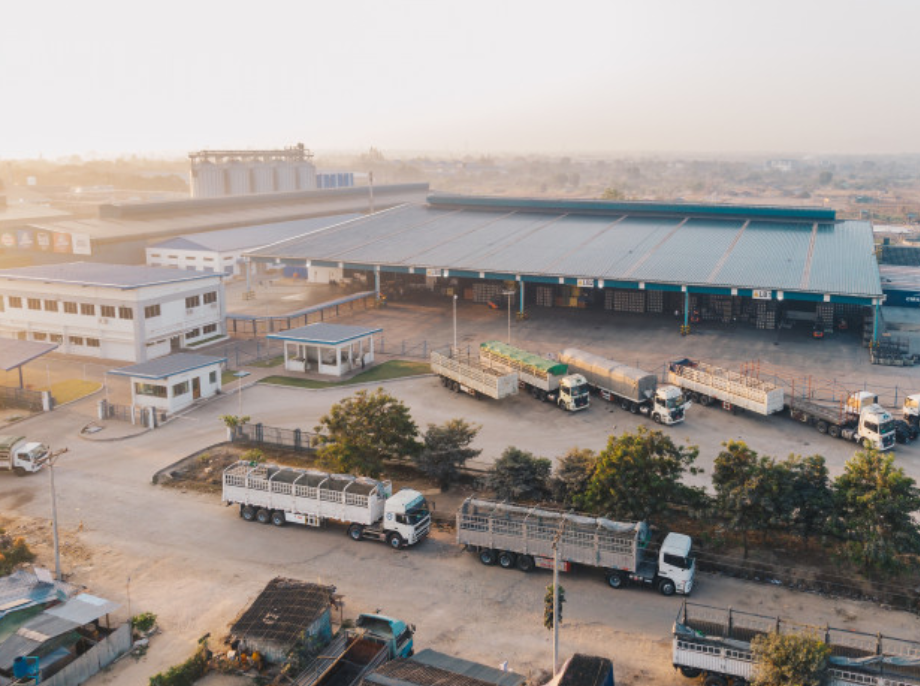
How Much Does It Cost to Build a 5,000 Sq Ft Warehouse?
Every warehouse begins with a number, the cost per square foot that sets expectations for design and delivery. The cost to build a 5000 sq ft warehouse isn’t fixed; it shifts with site conditions, material choices, and energy goals.

12 Home Building Ideas for Your New Construction
Building a new home starts with a series of technical choices that define long-term performance. Every system, from structure to HVAC, must work together for energy efficiency, comfort, and durability.

10 Ways to Lower Homeowners Insurance Rates
Homeowners insurance is essential for protecting your property and assets, but it doesn’t have to break the bank. Learning how to lower home insurance premiums can lead to substantial savings.
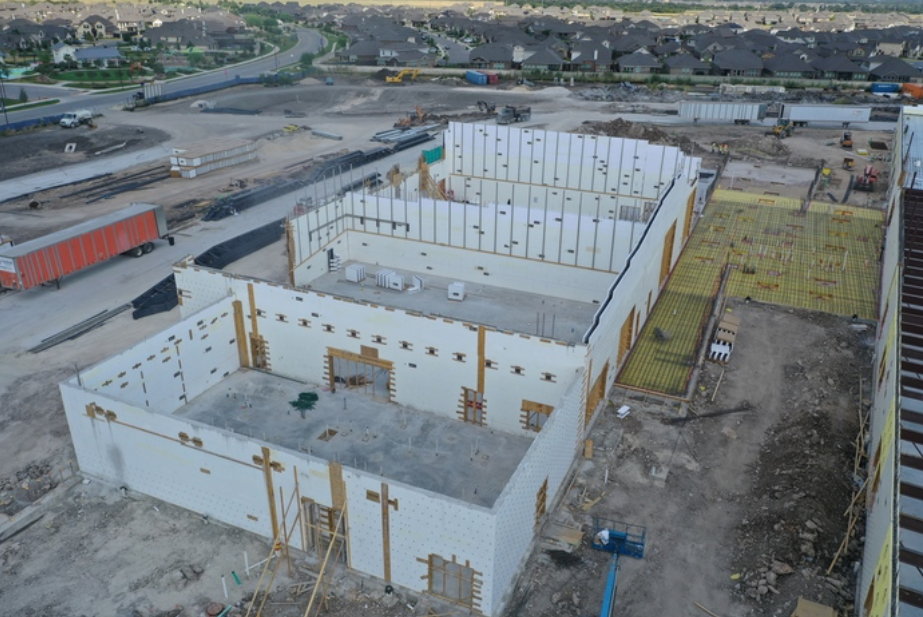
13 Expert Tips for Successful Commercial Building Construction
Every commercial building construction project begins with a vision that must balance budget, performance, and long-term durability. When systems align from the start, each phase strengthens efficiency, safety, and operational performance for decades.
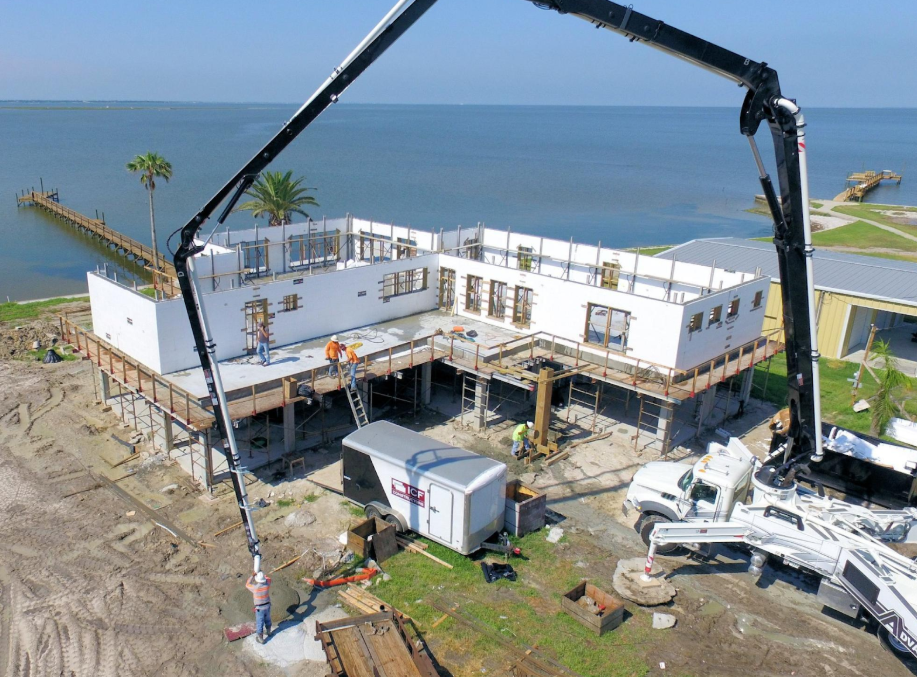
What is Concrete Pumping and How Does It Work?
Concrete pumping has changed the way contractors place concrete on job sites. Rather than hauling heavy loads in wheelbarrows or relying on cranes and buckets, a concrete pump delivers liquid concrete through a system of hoses, pipes, or booms — directly to the point of placement.