
12 Home Building Ideas for Your New Construction
Building a new home starts with a series of technical choices that define long-term performance. Every system, from structure to HVAC, must work together for energy efficiency, comfort, and durability. Selecting the right home building ideas early ensures a resilient, low-maintenance home that meets today’s and tomorrow’s performance standards.
1. Design with the Future in Mind
High-performance design starts long before ground is broken. Early coordination among the architect, engineer, and builder ensures structural efficiency and energy performance are planned together. Account for orientation, soil conditions, and regional wind exposure during the design phase because those decisions drive foundation type and insulation requirements.
Planning also includes adaptability: family needs, accessibility, and home-office space. Well-engineered home building ideas anticipate technology upgrades and mechanical retrofits, reducing future cost and disruption.
2. Build with Insulated Concrete Forms (ICFs)

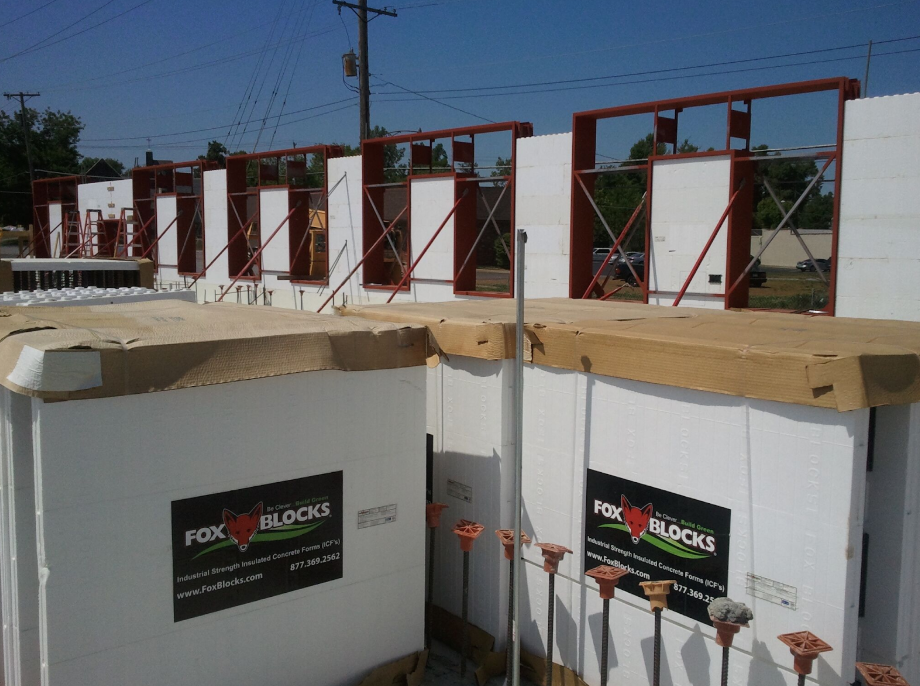
Insulated concrete forms are among the strongest, quietest, and most energy-efficient wall systems available. Each form combines a reinforced concrete core with continuous insulation inside and out, creating a monolithic structure that resists wind, fire, and debris impact. Fox Blocks ICFs typically achieve R-values above code minimums and STC ratings in the 50s, keeping interior spaces calm and comfortable even in severe climates.
While ICF construction can cost slightly more up front than wood framing, long-term energy savings and reduced maintenance deliver rapid payback. For builders working in storm-prone regions, the resilience of ICF walls adds measurable protection and insurance savings. In high-performance residential construction, ICF Modern Home Design refers to the integration of structural concrete mass and continuous insulation to create walls that stabilize indoor temperature and resist external stress.
3. Incorporate Passive Solar Design
Passive solar planning harnesses sunlight to heat and illuminate naturally. South-facing glazing captures low-angle winter sun, while roof overhangs block summer heat. Thermal-mass materials such as concrete, masonry, or tile absorb warmth during the day and release it overnight. Design parameters vary by climate zone, solar altitude, shading ratio, and window-to-wall percentage should all be evaluated during early modeling to maximize seasonal comfort.
4. Use Radiant Floor Heating for Consistent Comfort
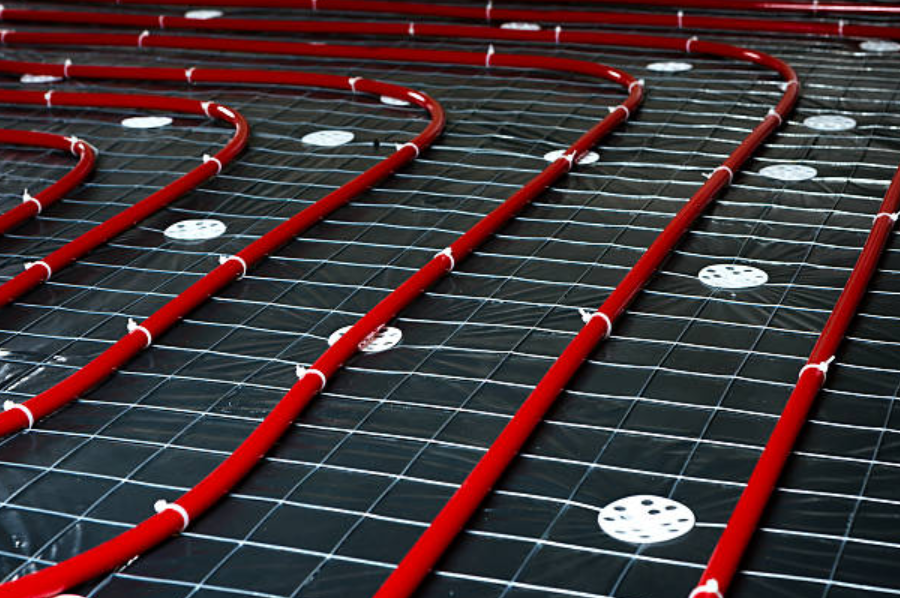
Radiant floor systems distribute warmth evenly from the ground up. Instead of forcing air through ducts, they circulate water or electric coils beneath flooring, eliminating drafts and cold spots. Coupled with ICF construction, radiant heat takes advantage of thermal mass to stabilize indoor temperature and reduce equipment run time. Builders can zone floors by occupancy pattern, giving homeowners precise control and quiet, efficient comfort.
5. Integrate Smart Home Technology from Day One
Including smart infrastructure during construction avoids retrofits later. Pre-wire for data, lighting, security, and HVAC controls so the backbone is hidden but expandable. Connected thermostats and load-monitoring systems provide real-time energy analytics that verify efficiency targets.
Builders can also integrate concealed outlets, in-cabinet charging, or motorized shades, amenities highlighted by custom-home competitors, without compromising the clean aesthetic. Automation improves convenience while supporting measurable energy performance.
6. Choose Energy-Efficient HVAC Systems
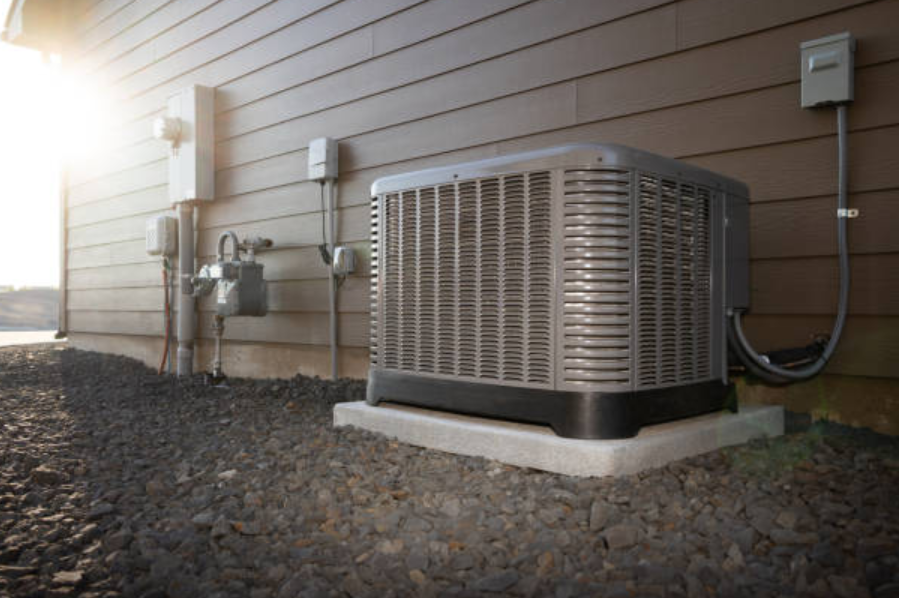
Mechanical systems drive most operational energy use, but ICF building envelopes significantly reduce heating and cooling loads, allowing HVAC designs to operate more efficiently with smaller, right-sized equipment. Specify variable-speed heat pumps or high-SEER, high-HSPF systems verified through Manual J and S calculations that account for the reduced loads and shorter run times enabled by the ICF shell. Proper duct sealing, balanced airflow, and zoning preserve these efficiency gains by minimizing distribution losses. Integrating MERV-13 filtration and energy-recovery ventilators enhances indoor air quality, an aspect often missed in competitor lists that focus only on comfort. Right-sized systems in high-performance envelopes maintain stable humidity, improve occupant health, and lower utility costs while extending equipment lifespan.
7. Maximize Insulation and Air Sealing
A continuous air barrier is key for code compliance and comfort. Closed-cell spray foam, rigid polyiso panels, or ICF walls eliminate thermal bridging and condensation risk. After installation, blower-door testing confirms airtightness under IECC standards and verifies that design intent is met. In ICF construction, the sealed concrete core and continuous foam provide built-in compliance, proving that well-executed home building ideas achieve measurable energy results.
8. Install High-Performance Windows and Doors
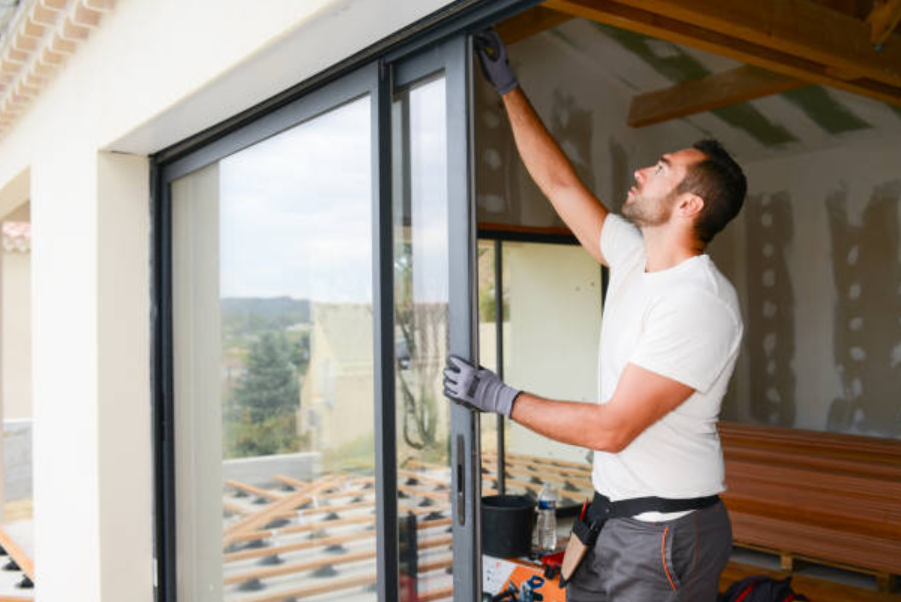
Windows and doors dictate envelope integrity. Select ENERGY STAR-rated units with insulated frames, low-E coatings, and triple glazing in cold climates. Pay equal attention to installation, flashing integration and air-barrier continuity prevent hidden leaks. Aluminum-clad or fiberglass frames offer decades of durability with minimal maintenance. Verified blower-door readings after window installation confirm that these critical openings perform as designed.
9. Plan for Renewable Energy Integration
Designing a “solar-ready” structure prevents future retrofit expenses. Specify roof trusses to support panel loads, run conduit from attic to main electrical panel, and leave space for inverters or battery storage. Builders in colder climates can pre-plan for ground-loop geothermal lines before slabs are poured. Integrating renewables early reduces wiring conflicts and keeps the aesthetic clean, an approach that demonstrates forward-thinking home building ideas for sustainable living.
10. Select Sustainable, Durable Materials
Long-life materials reduce both cost and environmental impact. Recycled steel framing resists pests and warping, while fiber-cement siding and concrete-based products withstand fire and moisture. Low-VOC paints and sealants improve indoor air quality. Consider the full lifecycle: materials that last twice as long with half the maintenance save far more over time. These sustainable choices complement the longevity of Fox Blocks ICFs and support overall project ROI.
11. Design for Water Efficiency Indoors and Out
Smart water management protects infrastructure and budgets alike. Efficient plumbing layouts shorten pipe runs and reduce wait times for hot water. Add demand-controlled recirculation pumps and insulated supply lines to minimize standby losses. Outside, integrate permeable hardscapes, native plantings, and weather-sensing irrigation to maintain landscapes with minimal water use. These strategies reflect how technical performance and environmental stewardship align within comprehensive home building ideas.
12. Create Adaptable and Outdoor-Ready Spaces
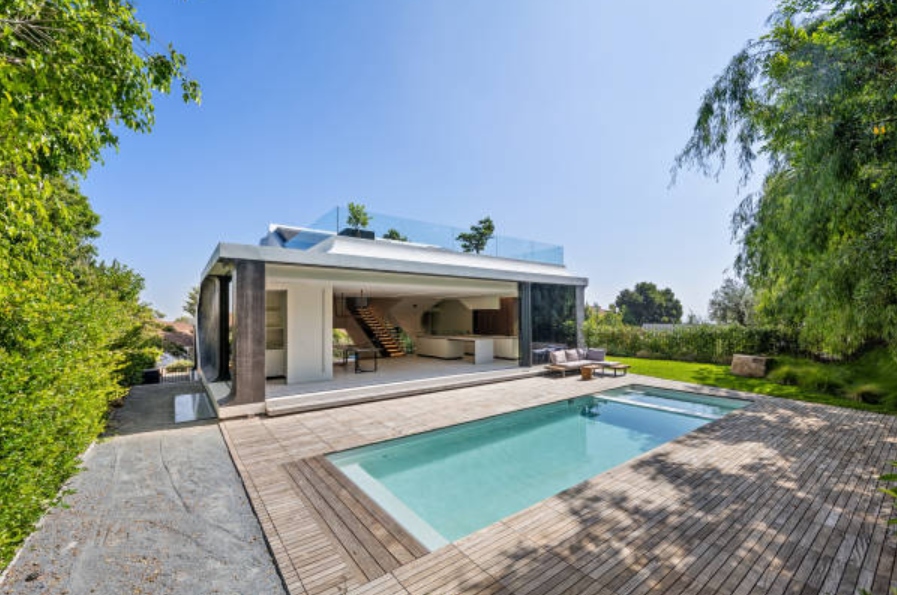
Modern living extends beyond interior walls. Large sliding glass panels and covered patios blur the line between indoor and outdoor space, promoting daylight, ventilation, and lifestyle flexibility. Multi-use rooms that convert from office to guest suite enhance long-term functionality, while outdoor kitchens or shaded work areas expand usable square footage. Designing for adaptability supports wellness, accessibility, and resale value far beyond aesthetic appeal.
Build Stronger, Smarter, and More Efficiently with Fox Blocks ICFs
Each of these ideas contributes to a resilient, energy-conscious structure. Our ICFs form the backbone of that performance, combining structural strength, insulation, and disaster resistance into one integrated system. Build on proven science, not guesswork.
Contact us today for more information.