
The Backbone of Modern Construction: Steel Reinforced Concrete Walls

Insulated Concrete Form Foundations vs. Poured Concrete Foundation

5 Disadvantages to DIY Concrete Foundation Forms
Before you begin your concrete foundation forms DIY project, consider these five disadvantages of DIY concrete form construction.

What is the Concrete Temperature Limit?
Concrete is a versatile and durable construction material that is predominantly used in both commercial and residential structures. It’s essential to understand concrete’s thermal properties, specifically its temperature limits, to optimize its strength and durability.

6 Expert Tips for Pouring Concrete in Cold Weather

Effective Strategies to Insulate Block Walls
Improving the insulation of block walls significantly enhances energy efficiency, comfort, and durability in both residential and commercial spaces. Block walls, often made of concrete masonry units (CMUs), are sturdy but notoriously poor at retaining heat without proper insulation.

A Comprehensive Guide to the Types of Concrete Blocks Used in Construction
Back to Basics: Advantages of Fox Blocks ICF Forms
The advantages of Fox Blocks ICFs are several. Fox Blocks provide a clever design that has the good features of the tried and true early brands of ICFs, and then has incorporated significant improvements, which enhance the ease of use to the installer.
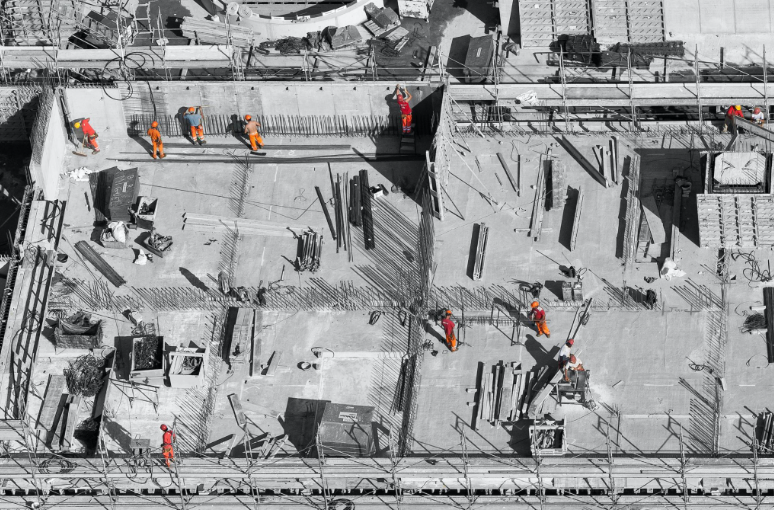
From Efficiency to Durability: The Many Benefits of ICF Construction

Shear Walls vs. Load Bearing Walls
When constructing a building, ensuring its stability and resilience is critical. Two essential components that play crucial roles in building stability are shear walls and load bearing walls.