
4 Reasons to Rebuild with ICF Walls After Wildfire Devastation
Rebuilding after a wildfire with Fox Blocks insulated concrete form (ICF) construction can protect a new structure and its occupants from future wildfires.
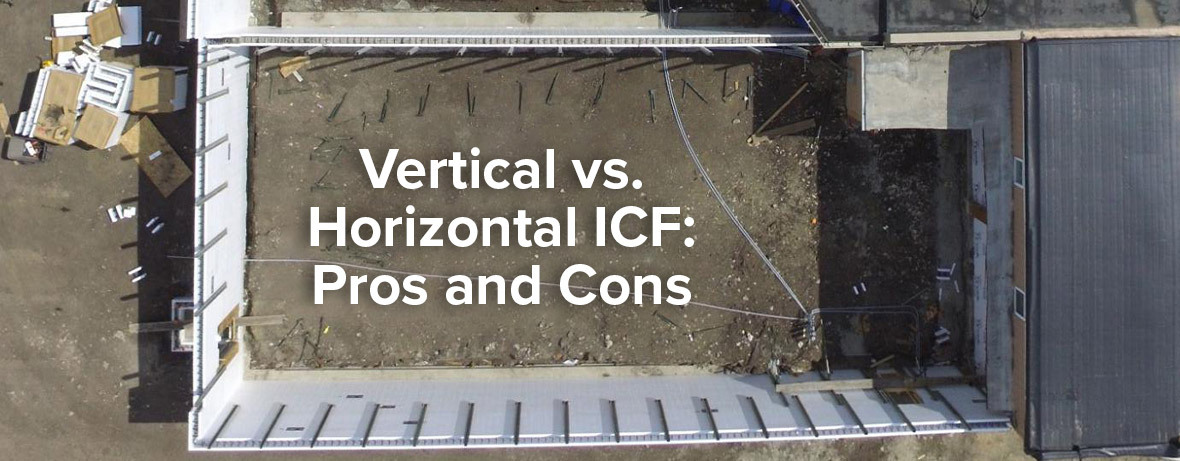
Vertical vs. Horizontal ICF: Pros and Cons
Both vertical and horizontal ICFs construction create moisture- and disaster-resistant walls with excellent R‑values. But which is the better ICF wall?

11 Benefits of Concrete House Construction

Build a Resilient Building Design with Fox Blocks ICFs
Resilient buildings made with Fox Blocks ICFs will protect a commercial building’s integrity against severe winds, flooding, earthquakes, extreme temperatures, and fire.

The Benefits of Fox Blocks ICF Over Batt Insulation

A Better Approach to Fire Safety with Concrete Building Design
Non-combustible, insulated concrete form (ICF) construction is a better approach to fire safety over wood construction.

12 Home Building Ideas for Your New Construction
Building a new home starts with a series of technical choices that define long-term performance. Every system, from structure to HVAC, must work together for energy efficiency, comfort, and durability.
Fox Blocks ICF Partners with Habitat for Humanity
Fox Blocks donated Insulated Concrete Forms (ICF) to the Habitat For Humanity’s 30th Annual Jimmy and Rosalynn Carter Work Project. The volunteers and materials donated by Fox Blocks will help rebuild the home of Elmer Lamberson’s whose home was lost in Superstorm Sandy.

Working With an Architect: A Homeowner's Guide to Designing a New House
This guide will help you navigate through the process of hiring and working with an architect to successfully design and build the home of your dreams.

Florida ICF Homes are Energy-Efficient, Storm-Proof, and Durable