Building with Fox Blocks ICFs provides you with a high performance wall system for the foundation and above grade walls. Building any high performance home, with either ICFs or conventional wood framing, has many factors that define the end capital costs.
What additional materials and labor are required to make a conventional foundation equivalent to an Fox Blocks ICF foundation which exceeds energy code requirements in most locations? Conventional wood framing requires considerably more material, insulation and attention to air sealing to make it qualify and perform as a high performance wall. All of this, for conventional construction, adds material and labor costs to the overall project. Fox Blocks ICFs provide a simple method to build high performance walls that provide ongoing benefits from the high insulation values and mass concrete walls that are energy-efficient and provide cost savings for the life cycle of the building.
Comparing cost per square foot between conventional construction and ICFs for a high performance building, is like comparing apples to oranges. To develop construction costs, more detailed information is required, for instance the number and size of openings, the shape and size of the home, the regional costs for material and labor, etc. If you have a project you’d like us to review and provide a material estimate, Fox Blocks would be happy to have one of our representatives contact you. Please complete and submit a lead information sheet on the website or call Customer Service.


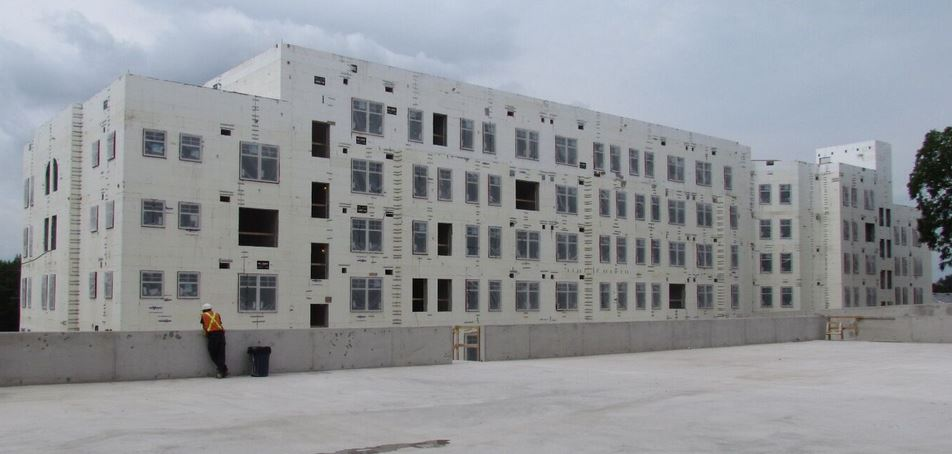


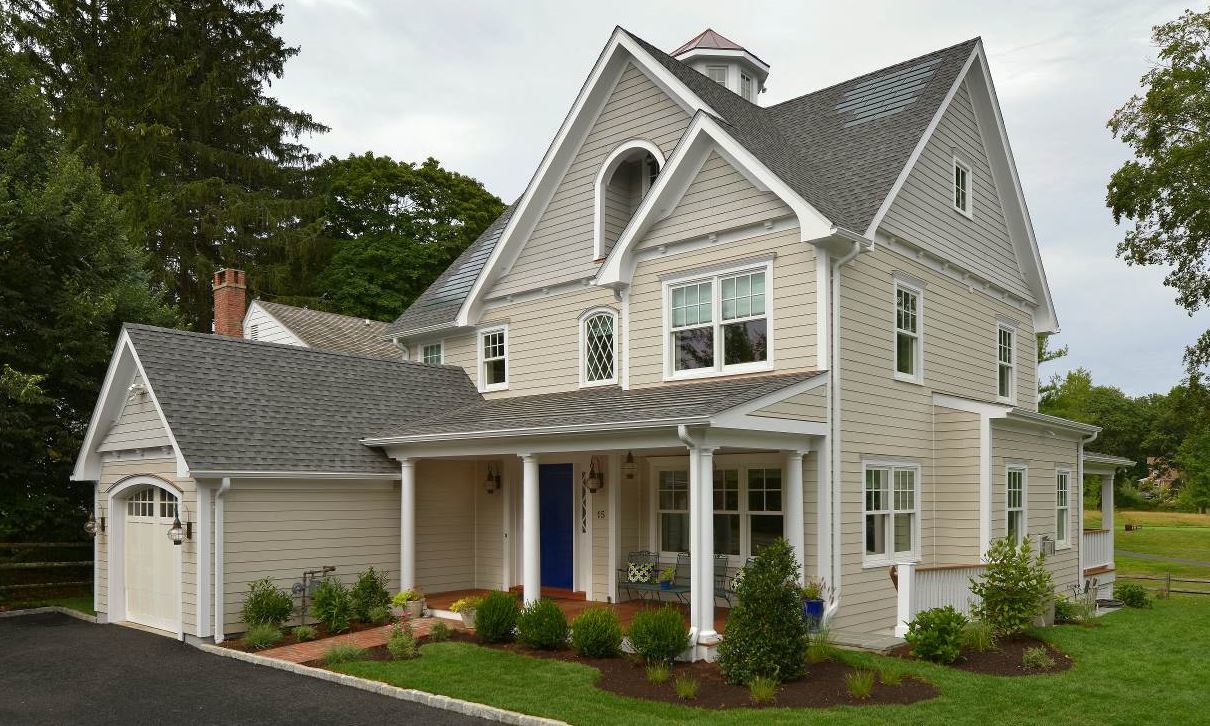

ICFs provide a reinforced concrete wall which is designed to specific engineering principles. Typical residential construction, per the applicability limits in the building code, allows walls 10′ (3 m) high or less between lateral supports (floor and roof connections). Below grade walls must have a minimum 6″ (150 mm) concrete core. In some regions, an 8″ (200 mm) concrete core is the minimum allowed thickness for below grade walls.
The 4″ (100 mm) form cannot be used below grade as a foundation wall. The 4″ (100 mm) form may be used for above grade walls up to a maximum of 10′ (3.0 m).
The 6″ (150 mm) form, above grade, is limited to approximately 14′ (4.2 m) in height. Walls higher than 14′ (4.2 m) must use an 8″ (200 mm) or larger form.
Typical residential construction will use 6″ or 8″ concrete core size blocks. Project specific engineering may allow for some core thickness to span vertically higher than these proposed guidelines.