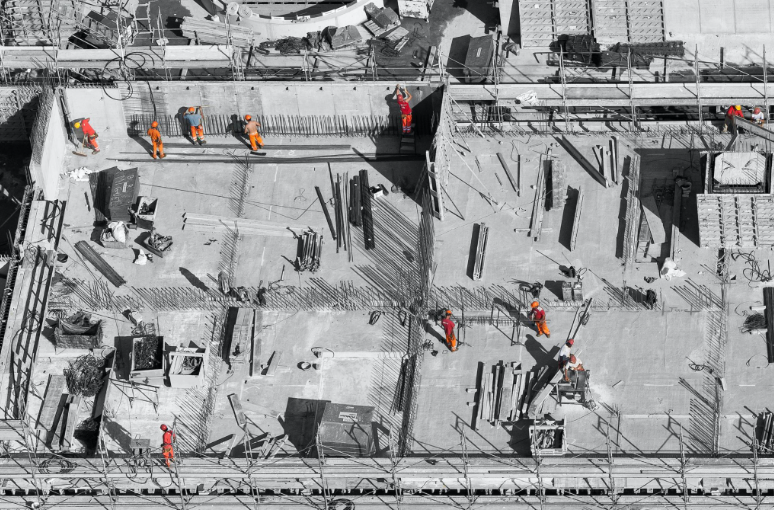


Fox Blocks products being used to build a home.
From Efficiency to Durability: The Many Benefits of ICF Construction
Screenshot 2024 10 02 092642
How to Make Concrete More Sustainable with Insulated Concrete Forms (ICFs)
Picosos 3
Picoso's Mexican Kitchen
A restau­rant built to last.
Screenshot 2024 03 06 084924
Barn Construction Process and Materials: How to Build the Best Barn
What R Value Do You Need for Basement Walls
What R-Value Do You Need for Basement Walls?
The prop­er R‑value of base­ment walls will pro­duce ener­gy-effi­cient, durable, healthy, and com­fort­able homes. Learn what R‑value your base­ment walls should have.
Interior of ICF House
How Much Does an ICF House Cost to Build?
Icf block systems
How ICF Construction Lowers Capital and Yearly Expenses and Improves Resale Value
Modern two-story residential home with gray siding and white trim.
Different Ways to Build a House: 7 Best Options for New Construction
Fox Blocks Spray Foam Header
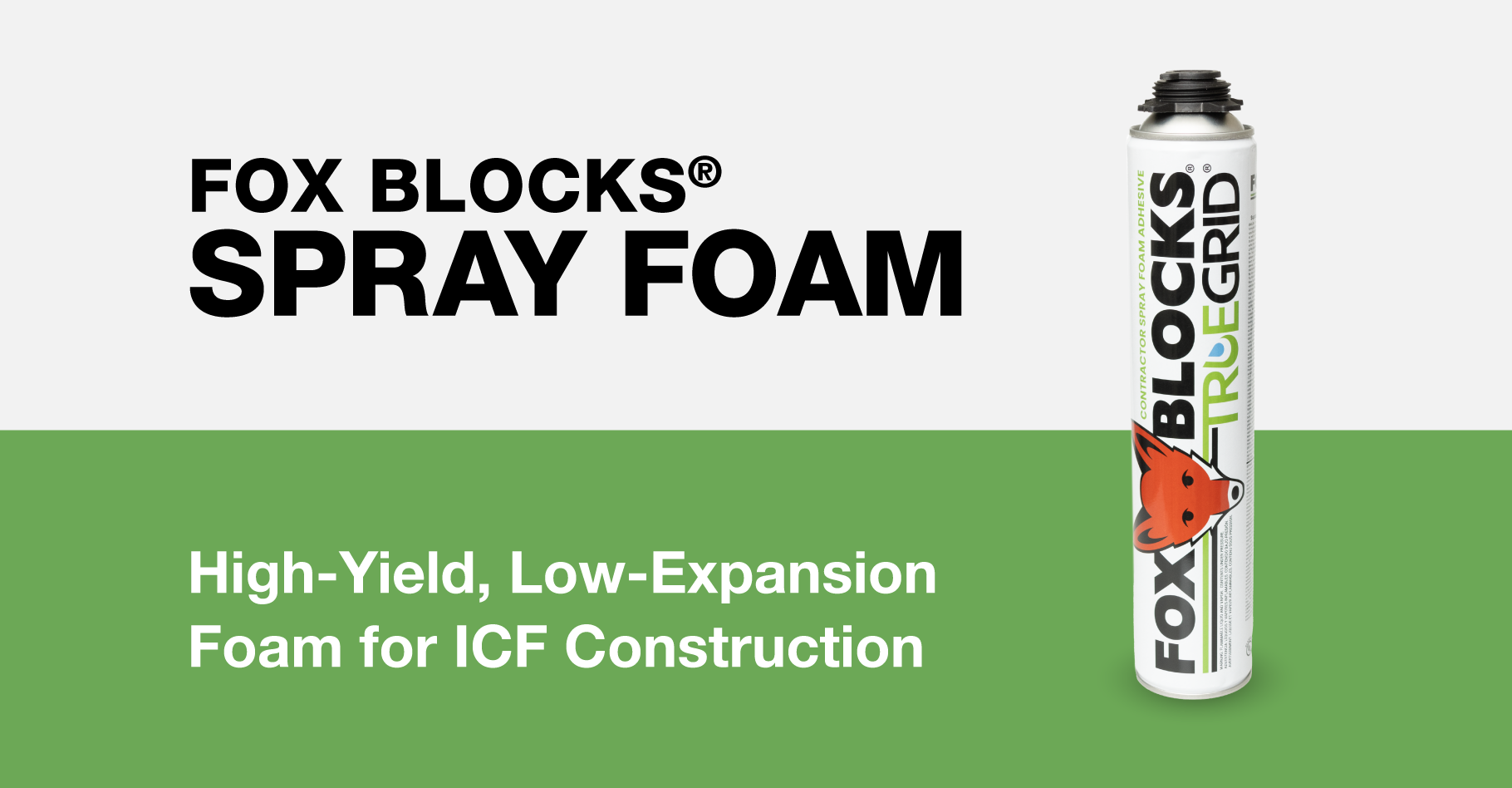
Fox Blocks Spray Foam
Dis­cov­er Fox Blocks® Spray Foam – the only foam designed for ICF jobs. High yield, low expan­sion, supe­ri­or adhe­sion. Per­fect for EPS, wood & con­crete. Buy now.
What is a ‘blow-out’?

A blow-out’ is a break in the form, gen­er­al­ly due to the pres­sure from the liq­uid con­crete dur­ing the con­crete place­ment and/​or con­sol­i­da­tion. Fox Blocks ICFs are designed to main­tain a high safe­ty fac­tor of pres­sure from the liq­uid con­crete. Dam­aged forms or fail­ure to sup­port areas where forms have been cut leav­ing a large area of EPS between the web sup­ports may cause a blow-out. Over con­sol­i­da­tion may also cause a blow-out.

Fox Blocks rec­om­mends the Pre-Place­ment Check­list be reviewed for all wall assem­blies pri­or to the place­ment of con­crete, to find poten­tial prob­lem areas and install addi­tion­al strap­ping or sup­port to pre­vent blow-outs. Gen­er­al­ly, for an Fox Blocks form, the size of a blow-out may be lim­it­ed to the EPS between the webs, 6″ or 8″ wide by the height of one form. If a blow-out occurs, the con­crete pour moves to anoth­er area on the wall, the hole is patched by replac­ing the EPS, installing wood sup­port over the area, and then resum­ing the pour.