
Innovations in Exterior Wall Construction: What You Need to Know
For generations, the construction of exterior walls has followed traditional practices that have primarily involved wood or steel framing. These methods have been the backbone of residential and light commercial construction, by providing shelter, stability, and a certain level of insulation.

10 Eco-Friendly Alternatives to Traditional Concrete

10 Tips for Designing a Small or Tiny ICF Home

Build a Resilient Building Design with Fox Blocks ICFs
Resilient buildings made with Fox Blocks ICFs will protect a commercial building’s integrity against severe winds, flooding, earthquakes, extreme temperatures, and fire.

6 Things to Consider When Building a Basement
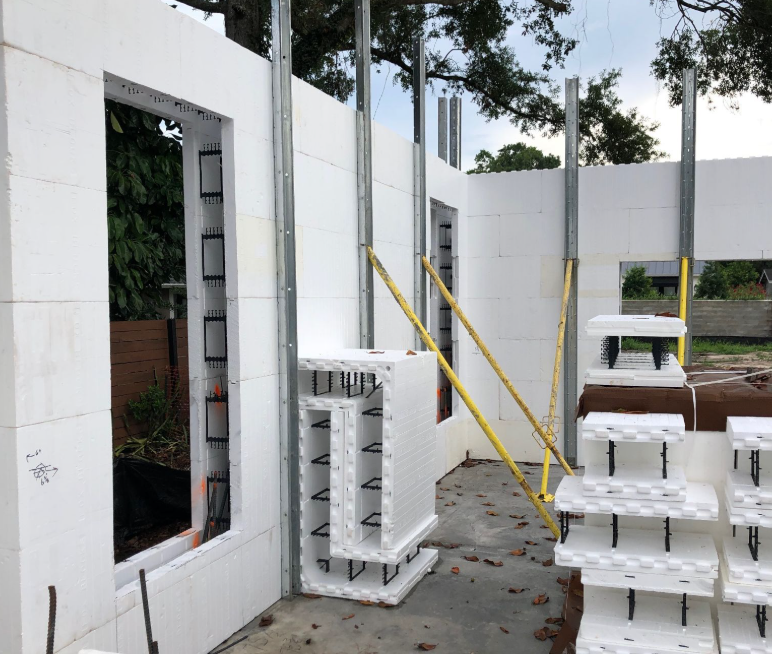
What is a Good R Value for Exterior Walls?

A Better Approach to Fire Safety with Concrete Building Design
Non-combustible, insulated concrete form (ICF) construction is a better approach to fire safety over wood construction.
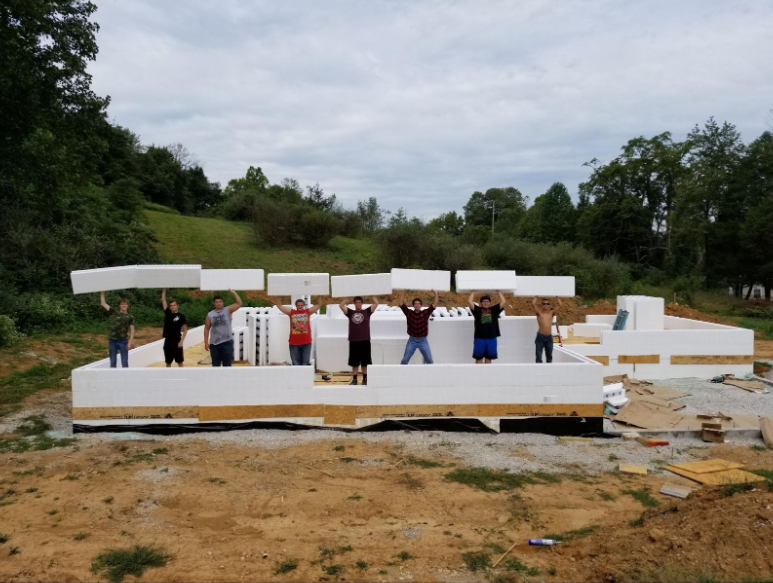
Are ICF Blocks Toxic? Everything You Need to Know
Insulated Concrete Forms (ICFs) are becoming a popular choice in modern construction due to their energy efficiency and structural durability. A common question among builders and homeowners is whether ICF blocks are toxic.

19 Important Features of an Energy Efficient Building

The Foundation of Construction: A Guide to Building Code Foundation Requirements