
4 Reasons to Rebuild with ICF Walls After Wildfire Devastation
Rebuilding after a wildfire with Fox Blocks insulated concrete form (ICF) construction can protect a new structure and its occupants from future wildfires.

5 Reasons Why ICF Offers The Best Wall Construction for Passive House Design

Cinder Block (CMU) vs. Traditional Poured Concrete Wall Foundations
We cover the differences between CMU blocks and poured concrete foundations so that you don’t have to learn from trial and error.

Using ICF to Build a Home with Modern Adobe Style Walls
The design flexibility of Fox Blocks can easily enhance an adobe style home that is comfortable, energy-efficient, disaster-resistant, and durable.
How to Layout Scaffold on Fox Blocks' Insulated Concrete Form Walls
When you’re building with insulated concrete forms, chances are you’re going to need to set up scaffolding.

What is the R-Value of Concrete? How to Maximize Wall Insulation with ICFs
The Fox Blocks Energy Stick
How do you improve an Insulated Concrete Form wall that already out-performs most wall systems in all climates? You move the concrete mass toward the living side of the wall.
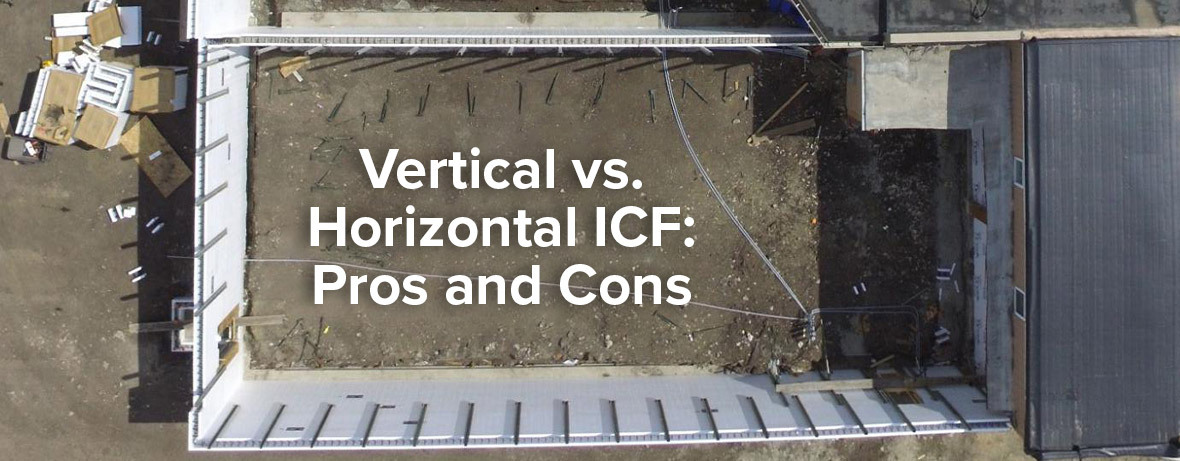
Vertical vs. Horizontal ICF: Pros and Cons
Both vertical and horizontal ICFs construction create moisture- and disaster-resistant walls with excellent R‑values. But which is the better ICF wall?

What Additional Insulation Do You Need for an ICF Home?
Easy-to-install ICF wall systems help create energy-efficient, durable, disaster-resistant, and healthy homes. But do you need additional wall insulation for ICF homes?
Build to Resist Tornadoes: Storm Safe ICF Structures
Research by Texas Tech Wind Science and Engineering Research Center has demonstrated that ICF walls better protect occupants of houses from windblown debris, than frame walls. Being hit by windblown debris is the most common cause of injury during tornadoes.