
How to Build a 4-Hour Fire Wall: Thickness, Materials, and Assembly

Exterior Wall Thickness: How Thick Should Your Walls Be?
The exterior wall thickness of a home significantly impacts the house’s energy efficiency, disaster resistance, and IEQ. Learn how thick exterior walls should be.

Waterproofing Below-Grade Insulated Concrete Forms

Building for Durability: The 7 Strongest Building Materials for Residential Construction
Building a home involves careful planning and meticulous construction. The materials used can dramatically impact the durability, aesthetics, and comfort of the home. This article will explore the seven most durable building materials for residential construction, and provide insights into the strongest material for building a house and the longest-lasting building materials available today.

The Advantages of ICF over CMU Construction
Concrete masonry units (CMU) and insulated concrete form (ICF) walls have several features in common: energy-efficiency, durability, and good indoor environmental quality (IEQ). However, ICF is quicker and easier to install compared to CMU, which saves time and money.

What is the R-Value of Concrete? How to Maximize Wall Insulation with ICFs
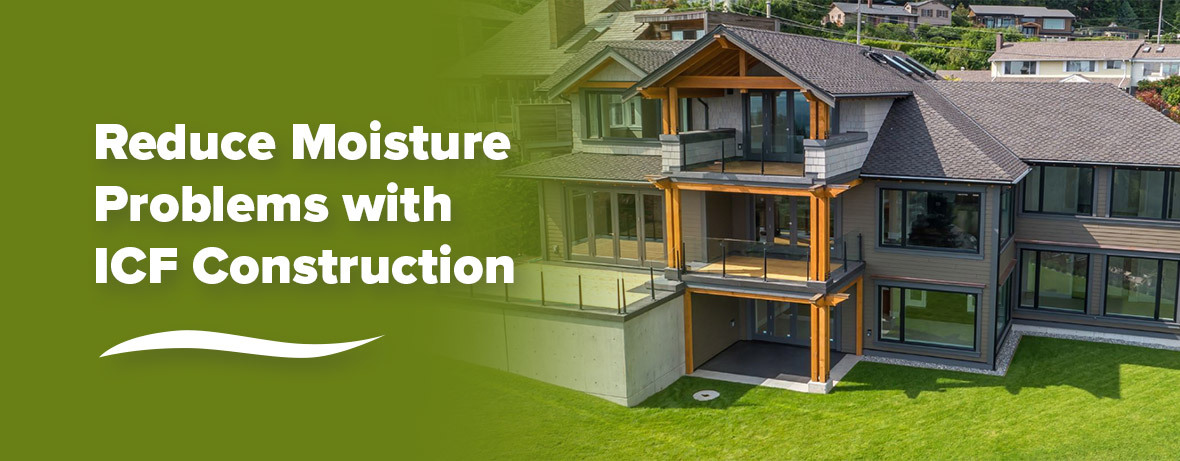
Reduce Moisture Problems with ICF Construction
You can avoid stud-framing moisture problems by choosing a moisture-resistant insulated concrete form (ICF) foundation for your new home.

How to Make Concrete More Sustainable with Insulated Concrete Forms (ICFs)

The Business Case for Building Multifamily with Insulated Concrete Forms (ICFs)

A Complete Guide to Hurricane-Resistant Buildings