
Image2
Shear Walls vs. Load Bearing Walls
When con­struct­ing a build­ing, ensur­ing its sta­bil­i­ty and resilience is crit­i­cal. Two essen­tial com­po­nents that play cru­cial roles in build­ing sta­bil­i­ty are shear walls and load bear­ing walls.
LAKE POWELL RESIDENCE
Lux­u­ri­ous Cus­tom Home with a Pri­vate Putting Green and Stun­ning Views. The Lake Pow­ell Res­i­dence is sur­round­ed by stun­ning bluffs. With its mod­ern res­i­den­tial design and open-con­cept floor plan, the large out­door decks and patios embrace the beau­ty of the sur­round­ing nature. The back­yard fea­tures a pri­vate putting green with three prac­tice holes and sand trap bunkers for golf prac­tice.
2016 HILLIARD BRUCE WINERY 7
HILLIARD BRUCE WINERY
Hilliard Bruce Win­ery was award­ed LEED Sil­ver Cer­ti­fi­ca­tion by the US Build­ing Coun­cil.
The Fox Buck - Take the Wood out of Windows and Doors
Fox Blocks’ Glen Klassen gives an overview of the Fox Buck ICF win­dow and door buck.
Fox Blocks Takes Home Nine Awards During World of Concrete
Winter construction
Get Quicker Winter Construction with ICF
1
How to Start a Car Wash Business: Costs, Planning, and Profit Tips
Every suc­cess­ful facil­i­ty starts with a plan own­ers can actu­al­ly build. Sta­ble oper­a­tions depend on site capac­i­ty, util­i­ty ser­vice, and a durable, mois­ture-tol­er­ant build­ing enve­lope.
1
What is Concrete Pumping and How Does It Work?
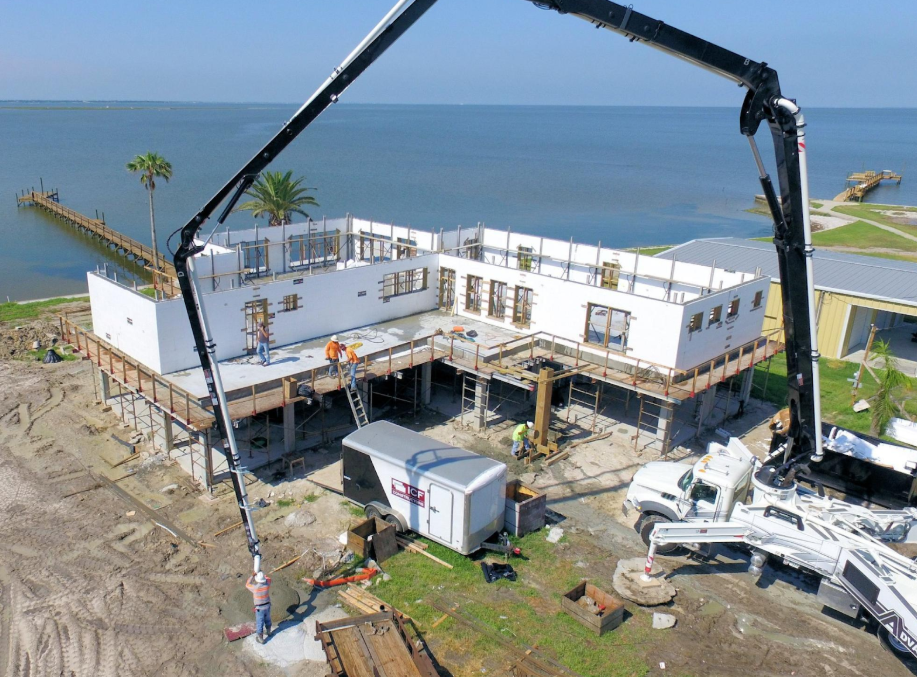
Con­crete pump­ing has changed the way con­trac­tors place con­crete on job sites. Rather than haul­ing heavy loads in wheel­bar­rows or rely­ing on cranes and buck­ets, a con­crete pump deliv­ers liq­uid con­crete through a sys­tem of hoses, pipes, or booms — direct­ly to the point of place­ment.
What is a ‘blow-out’?

A blow-out’ is a break in the form, gen­er­al­ly due to the pres­sure from the liq­uid con­crete dur­ing the con­crete place­ment and/​or con­sol­i­da­tion. Fox Blocks ICFs are designed to main­tain a high safe­ty fac­tor of pres­sure from the liq­uid con­crete. Dam­aged forms or fail­ure to sup­port areas where forms have been cut leav­ing a large area of EPS between the web sup­ports may cause a blow-out. Over con­sol­i­da­tion may also cause a blow-out.

Fox Blocks rec­om­mends the Pre-Place­ment Check­list be reviewed for all wall assem­blies pri­or to the place­ment of con­crete, to find poten­tial prob­lem areas and install addi­tion­al strap­ping or sup­port to pre­vent blow-outs. Gen­er­al­ly, for an Fox Blocks form, the size of a blow-out may be lim­it­ed to the EPS between the webs, 6″ or 8″ wide by the height of one form. If a blow-out occurs, the con­crete pour moves to anoth­er area on the wall, the hole is patched by replac­ing the EPS, installing wood sup­port over the area, and then resum­ing the pour.