
How to Start a Car Wash Business: Costs, Planning, and Profit Tips
Every successful facility starts with a plan owners can actually build. Stable operations depend on site capacity, utility service, and a durable, moisture-tolerant building envelope. If you’re evaluating how to start a car wash business, tie startup planning to the construction decisions that set permits, capital cost, utility capacity, and long-term energy use.
Startup Plan, Approvals, and Financing
Advance startup, approvals, and financing with schematic design so utility capacity, permit reviews, and long-lead orders stay aligned to the schedule.
How Site, Utilities, and Access Determine the Car Wash Layout
Treat startup as part of the design process:
Set up the company and insurance so contracts can be signed early.
Build the budget and financial model from confirmed water, power, and gas capacity and from actual equipment loads, not catalog estimates.
Secure site control and confirm zoning/use before advancing design to avoid rework.
Align purchase orders for wash equipment, doors, chemicals, and reclaim service with permit milestones and known long-lead orders.
Location matters, but traffic counts alone aren’t enough. Plan stacking lanes that don’t block the right-of-way and entry/exit patterns that hold at peak. Before pricing equipment, confirm water pressure and flow, three-phase power on the correct side of the street, and gas, or another heat source, for slab heat and winter uptime.
Permits, Inspections, and Sequencing
Permitting sets the calendar for the build, so zoning and use checks should move in parallel with a site plan that fixes circulation, stormwater, and utility connections. The permit set works best as a single, coordinated package, architectural, structural, mechanical, electrical, and plumbing tied to equipment submittals, so capacities, clearances, and penetrations are resolved on the drawings instead of in RFIs.
Inspections typically cover life safety, backflow prevention and interceptor assemblies, and labeled service disconnects. Continuity at high-cycle doors is addressed in the energy-code documents, not improvised in the field. Teams that understand how to start a car wash business hold a weekly sequencing meeting to align submittals and long-lead purchase orders with the order the work will be performed.
Financing With Drawings in Hand
Approach financing with drawings in hand. Provide bay counts, room sizes, wall sections, and a utility matrix. Lenders read this as risk control, not concept work. The drawings document defined water paths, controlled air, and heat targeted to reduce slip hazards and protect equipment.
Wash Format, Bay Count, and Site Layout
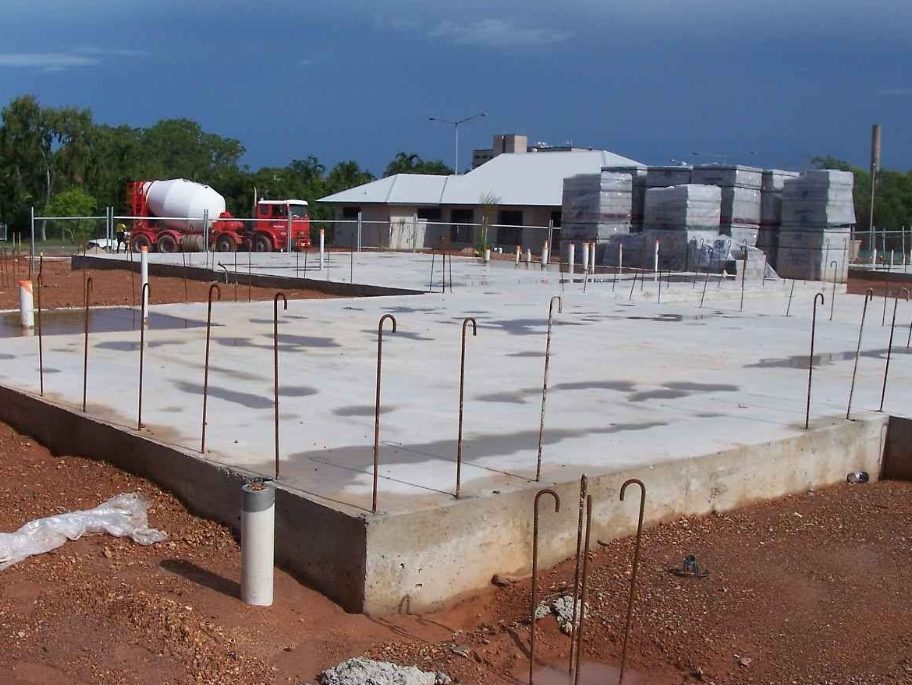
Format and bay count set the building grid and site circulation, from structural spans and door openings to stacking lanes and trench drain runs.
Select the Wash Format and Set Bay Count
Tunnel systems increase vehicle flow and require longer, narrower bays with clear ingress/egress and precise door coordination.
In-bay automatics reduce footprint but need disciplined stacking and payment flow to avoid conflicts with vacuums.
Self-serve adds flexibility but increases canopy, island, and drainage details.
Together, these choices define structural spans, slab slopes, and trench drain locations.
Slab Slopes, Trench Drains, and Oil-Grit Interceptors
The slab operates continuously and must manage drainage under all conditions.
Slopes must move water to trench drains without creating standing puddles that freeze.
Cleanouts must be accessible, and the layout must anticipate where reclaim piping enters and exits so you’re not coring structural elements later.
Oil/grit separation is part of the sanitary strategy, and detailed location matters for run lengths, slopes, and maintenance access.
Missing early layout decisions increase winter downtime risk.
Building Envelope for Wet, Warm Interiors (Why ICF Fits)
With slab drainage and interceptors set, the next risk is interior moisture at cold surfaces, the building envelope. Inside, those control layers either curb moisture or amplify it. In a car wash, the control layers must stay continuous, air, vapor, thermal, and water, through door bucks, pipe sleeves, and roof tie-ins. Insulated concrete forms (ICFs) simplify that continuity because the structure, insulation, and air control are integrated rather than site-assembled from separate parts.
The concrete core provides mass and air control, continuous insulation reduces heat loss, and durable interior finishes support frequent washdown. The structure stays stable, loads are predictable, and penetrations seal cleanly. Interior finishes should meet required fire ratings and tolerate frequent washdown.
Decide the Envelope Early
Owners sometimes ask if the envelope decision can wait until after equipment selection. In wet, warm interiors, that increases risk. The envelope governs condensation, corrosion, and energy use while anchoring penetrations; decide early so jambs, bucks, and mounts coordinate with structure and finishes. Coordinating embedded bucks and attachment points in ICF during the shell phase reduces later sequencing conflicts.
For many teams evaluating how to start a car wash business, that early decision separates reliable winter operation from repeat service calls. Selecting Fox Blocks when the schematic is prepared allows embedded bucks and attachment points to be coordinated in the shell phase, reducing later sequencing conflicts.
Detailing Openings
Openings require specific detailing because they represent most daily movement. Overhead doors cycle frequently; jamb reinforcement, thermal breaks, and air-seal continuity determine whether frames collect condensation or remain neutral components.
Fast-acting doors only reduce infiltration when anchored to a dimensionally stable substrate. The surrounding wall’s continuous insulation and air barrier lessen the penalty for each cycle and keep interior surfaces drier. These details are central to how to start a car wash business that operates reliably in winter.
Mechanical, Electrical, and Ventilation
Heating and ventilation must be sized for observed operating conditions rather than catalog assumptions. Radiant slab heat maintains the working plane, accelerates floor drying, and reduces stratification losses during door cycling. Ventilation must remove humid air while limiting uncontrolled infiltration; size dehumidification after door behavior and climate to avoid energy waste or finish damage.
Electrical service must include capacity for equipment horsepower, compressors, door motors, pumps, vac islands, lighting, and controls, with margin for future expansion. Plan submittals so backflow prevention, interceptor sizing, and ventilation clearances are inspection-ready rather than field-interpreted. Record baseline door-cycle counts and dehumidification setpoints during commissioning for winter operation.
Water Use, Reclaim Systems, and Chemical Rooms
Water use and management drive both service delivery and risk. Reclaim systems reduce consumption and sewer fees when pretreatment and filtration stages are designed for accessible maintenance. Filters placed for access are serviced; hidden filters are routinely missed. Chemical storage requires secondary containment and exhaust strategies that consider corrosion and worker exposure; these choices influence where penetrations pass through walls and roof. Clustering and detailing these elements on drawings reduces leakage pathways in the field.
Procurement and Lead Times
Lead times materially affect schedule reliability and cost. Expect variable lead times for electrical gear, multi-week doors/operators, staging time for wash equipment, and utility-paced gas upgrades. Pull these realities into procurement milestones with float that assumes one major item slips. Align procurement with permit milestones so inspections aren’t waiting on late equipment.
Project Budget, Operating Readiness, and Maintenance
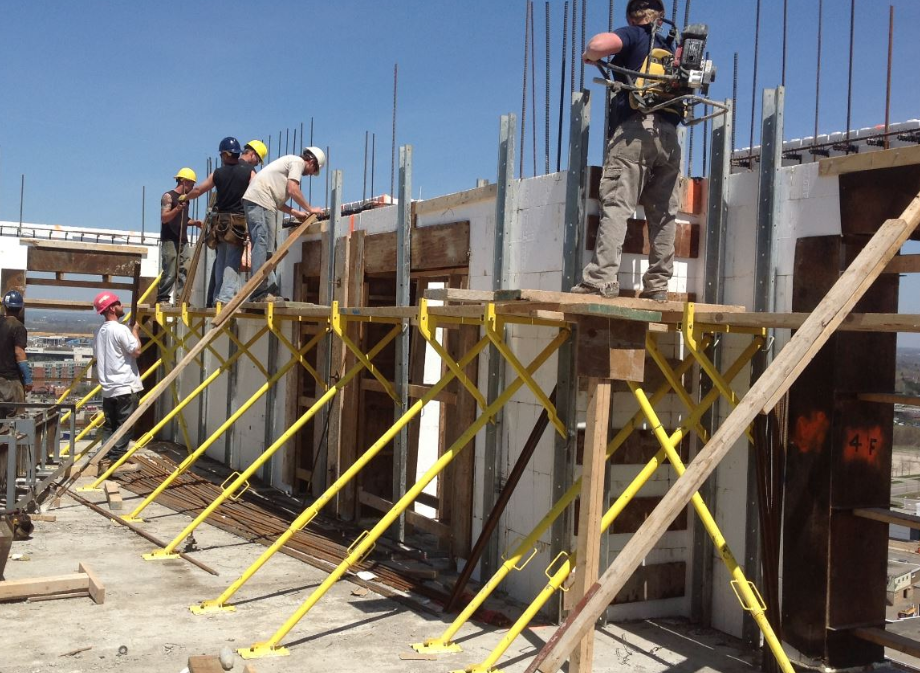
Connect the project budget to day-to-day operations and long-term maintenance so build choices produce a facility that stays open and efficient.
Budget Categories and Operating Readiness
Once the project scope is defined, carry four lines, shell/site, wash equipment, utilities, and soft costs, and match each to its funding source. For anyone researching how to start a car wash business, tying scope categories to funding prevents overruns and preserves flexibility as prices move. Envelope continuity and door detailing reduce heat loss and moisture loading, which shows up as lower winter energy demand and slower corrosion on adjacent metal components.
Operations and Staffing Begin During Framing
Those budget categories shape staffing, maintenance routes, and daily routines. Begin operations planning during framing. Standard operating procedures for chemical management, daily cleaning, and equipment checks highlight missing hose bibbs, inadequate drains, or insufficient storage before close-in. When routes for cars and staff are obvious, new hires learn faster; floors that drain and stay dry reduce slips and help you stay open in freezing weather.
Community Impact and Approvals
Neighborhood impact influences approvals and ongoing operations. ICF wall mass dampens exterior noise (STC 45–50+), and siting mechanicals away from edges reduces complaints. Lighting control and traffic management during peak periods affect community tolerance. Addressing these factors early supports approvals and reduces post-opening disputes.
Five Commitments for How To Start a Car Wash Business
When you summarize the process, how to start a car wash business can be reduced to five commitments:
Secure a site with utilities you can use
Choose a wash format matched to demand and constraints
Design an envelope that controls moisture and temperature during real operations
Coordinate water treatment, water-recycling systems, and ventilation so filter changes and inspections are simple to perform
Plan procurement around the longest lead times
Each commitment is measurable, and should appear on drawings before invoices.
Build With Fox Blocks ICF Walls for Durable, Efficient Car Wash Facilities
Fox Blocks insulated concrete form walls combine structure, continuous insulation, and air/air-moisture control in a single assembly. Use our CAD/BIM details and specifications to detail opening bucks, penetrations, and roof interfaces in your set. Contact us today for technical assistance and specification support.