What is a Shear Wall and How Does it Protect Your Building
What is a Shear Wall and How Does it Protect Your Building?
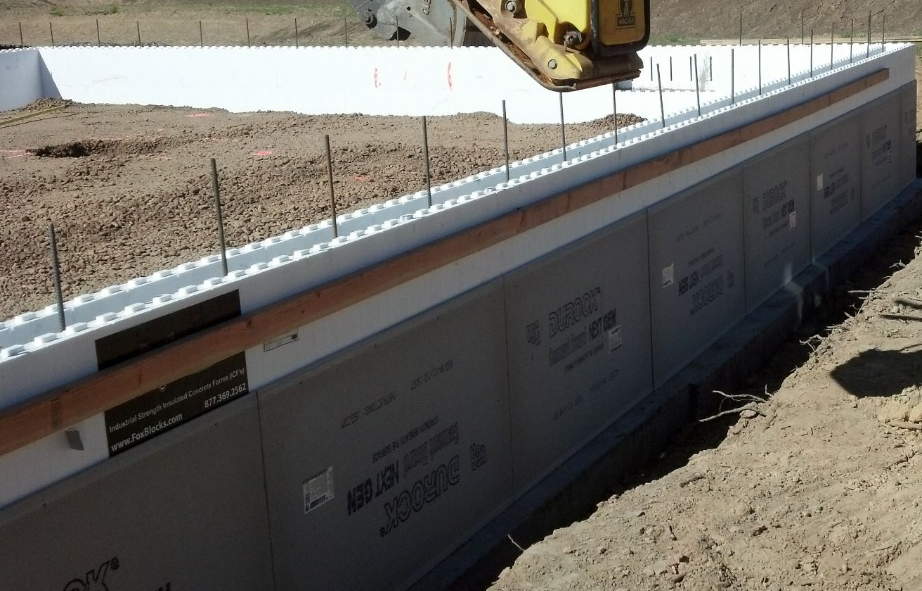
Con­struc­tion of a shear wall includes mate­ri­als and design that enhance a structure’s stiff­ness, strength, and duc­til­i­ty in order to with­stand lat­er­al forces from severe winds and earth­quakes.
How do I determine which size ICF to use?

ICFs pro­vide a rein­forced con­crete wall which is designed to spe­cif­ic engi­neer­ing prin­ci­ples. Typ­i­cal res­i­den­tial con­struc­tion, per the applic­a­bil­i­ty lim­its in the build­ing code, allows walls 10′ (3 m) high or less between lat­er­al sup­ports (floor and roof con­nec­tions). Below grade walls must have a min­i­mum 6″ (150 mm) con­crete core. In some regions, an 8″ (200 mm) con­crete core is the min­i­mum allowed thick­ness for below grade walls.

The 4″ (100 mm) form can­not be used below grade as a foun­da­tion wall. The 4″ (100 mm) form may be used for above grade walls up to a max­i­mum of 10′ (3.0 m).

The 6″ (150 mm) form, above grade, is lim­it­ed to approx­i­mate­ly 14′ (4.2 m) in height. Walls high­er than 14′ (4.2 m) must use an 8″ (200 mm) or larg­er form.

Typ­i­cal res­i­den­tial con­struc­tion will use 6″ or 8″ con­crete core size blocks. Project spe­cif­ic engi­neer­ing may allow for some core thick­ness to span ver­ti­cal­ly high­er than these pro­posed guide­lines.

What is a Frost Wall 5 Tips to Maximize Insulation
What is a Frost Wall? 5 Tips to Maximize Insulation
Exterior Wall Thickness How Thick Should Your Walls Be
Exterior Wall Thickness: How Thick Should Your Walls Be?
The exte­ri­or wall thick­ness of a home sig­nif­i­cant­ly impacts the house’s ener­gy effi­cien­cy, dis­as­ter resis­tance, and IEQ. Learn how thick exte­ri­or walls should be.
Image2
Shear Walls vs. Load Bearing Walls
When con­struct­ing a build­ing, ensur­ing its sta­bil­i­ty and resilience is crit­i­cal. Two essen­tial com­po­nents that play cru­cial roles in build­ing sta­bil­i­ty are shear walls and load bear­ing walls.
Image2
Party Wall Construction: Why ICFs Are the Best Option
Par­ty wall con­struc­tion plays a cru­cial role in the devel­op­ment of town­hous­es, con­do­mini­ums, and duplex­es. Par­ty walls are strate­gi­cal­ly placed to sep­a­rate indi­vid­ual units with­in a shared struc­ture, to pro­vide pri­va­cy, fire pro­tec­tion, and struc­tur­al sta­bil­i­ty.
What is the Optimal Foundation Wall Thickness
What is the Optimal Foundation Wall Thickness?
A con­crete foun­da­tion wal­l’s thick­ness plays an inte­gral role in its long-term strength and dura­bil­i­ty. Local build­ing codes man­date the foun­da­tion spec­i­fi­ca­tions, address­ing con­di­tions that affect the foun­da­tion thick­ness.
2018 WHITEWATER CROSSING CHRISTIAN CHURCH 11
WHITEWATER CROSSING CHRISTIAN CHURCH
Fox Blocks pro­vid­ed a struc­tur­al sys­tem that allowed the exist­ing church to be expand­ed.
Pasted image 0 5
The Advantages of ICF over CMU Construction
Con­crete mason­ry units (CMU) and insu­lat­ed con­crete form (ICF) walls have sev­er­al fea­tures in com­mon: ener­gy-effi­cien­cy, dura­bil­i­ty, and good indoor envi­ron­men­tal qual­i­ty (IEQ). How­ev­er, ICF is quick­er and eas­i­er to install com­pared to CMU, which saves time and mon­ey.
1
Continuous Wall Foundation: Building a Strong Continuous Load Path from Foundation to Roof