Can you build and pour concrete in cold weather?
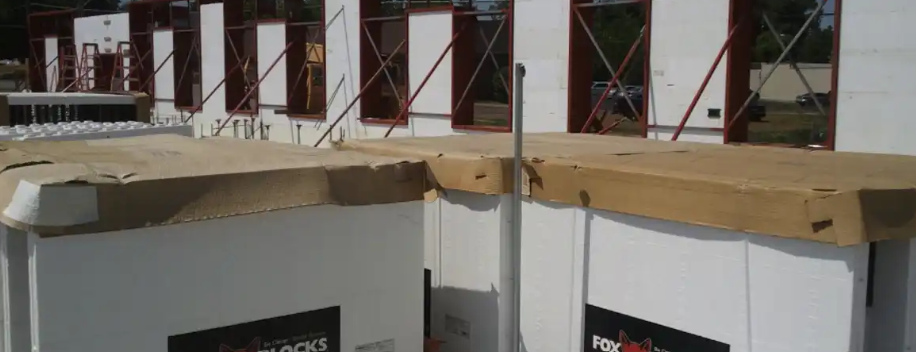
Yes. The forms insulate the concrete and enhance the curing process. The top of the forms, or exposed concrete areas will need to be covered, temporarily, with insulation to prevent the exposed concrete from freezing. Fox Blocks projects can be constructed any time of the year, no delays for cold weather.

How Architects Can Sell Clients on ICF Construction
Utilizing ICF for residential projects is an amazing way to create strong and safe homes while utilizing ICF for commercial projects is an easy way to hit deadlines earlier with lower costs. Want to know how to sell your clients on ICF construction? Keep reading to receive expert knowledge on all the benefits and the best way to communicate them.
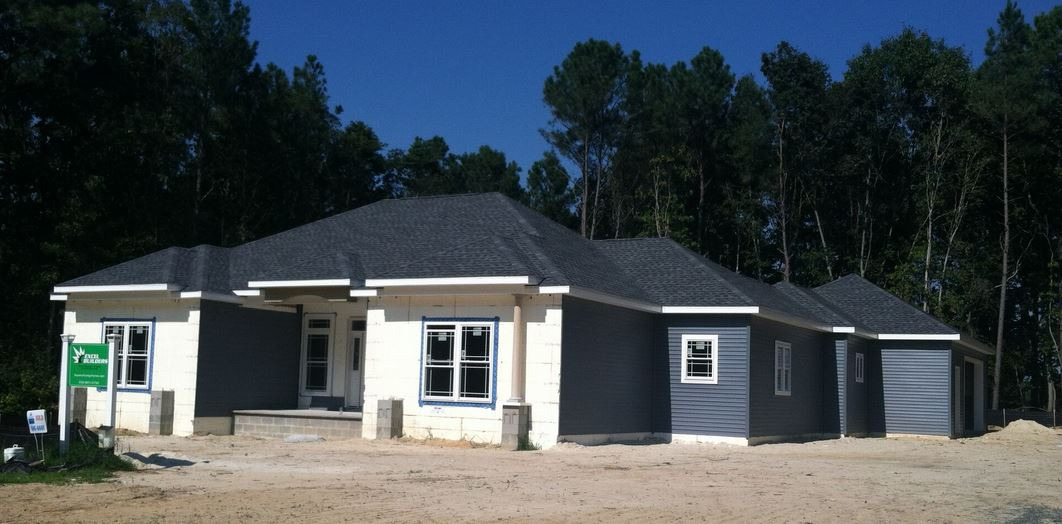
Benefits of Building an Energy-Efficient Home in Florida
The Fox Buck and Concrete: How to Before and Afters
In this video, Fox Blocks’ Glen Klassen does a walk-through of how to properly brace the Fox Buck prior to pouring the concrete.
How do I protect the ICFs below grade?
All ICF walls below grade, that have habitable space on one side (basement), must have a waterproofing / dampproofing membrane installed. For walls that do not have habitable space on one side (crawl space, frost walls, etc.) the EPS can be left exposed to the earth. The EPS will not deteriorate when exposed to the earth.
Metal Studs vs Wood Studs Price: Why ICF Provides a Better Long-Term Value

What is the Cost to Build an ICF Pool?