
26 ICF Builders & Contractors to Consider for Your Construction Needs
Does expanded polystyrene (EPS) present a serious fire hazard?
The EPS in an Fox Blocks has a flame retardant that allows the forms to be flame resistant. The EPS will melt when exposed to sustained temperatures over 300°F (149°C). The ignition point of the melted styrene is 600°F (315°C) (wood is approximately 500°F (260°C). Fox Blocks have been tested to meet the building code requirements for flame spread and smoke development, plus Fox Blocks may be used as fire resistant rated wall assemblies in schools and hospitals.

A Comprehensive Guide to the Types of Concrete Blocks Used in Construction
Insulated Concrete Form Estimator
Fox Blocks Estimator PRO4 is now LIVE and available to download and use for project take offs and estimates! Estimate ICF quantities including specialty blocks, opening material, ancillary products, lineal feet of rebar, volume of concrete and man hours for a specific job.

CHATHAM MIXED-USE
Mixed-Use Business and Residence Blends Historic Charm and Modern Design. A Fortified Gold mixed business/residence with an impressive balance of classical historic and modern features.
Is installing ICFs a DIY project?
Fox Blocks recommends that all installers using Fox Blocks ICFs complete a Fox Blocks training program to ensure they have a better understanding of the basics. However, for first time installers, it is preferred that a Fox Blocks trained, experienced installer inspect the installation prior to placement of concrete and assist in the placement of the concrete, as they are familiar with working with concrete and can ensure the build is structurally sound and safe and the walls are consolidated properly, built straight and plumb.

How to Assess Contractors for Building with ICFs

ICF Home Construction in Colorado: Everything You Need to Know
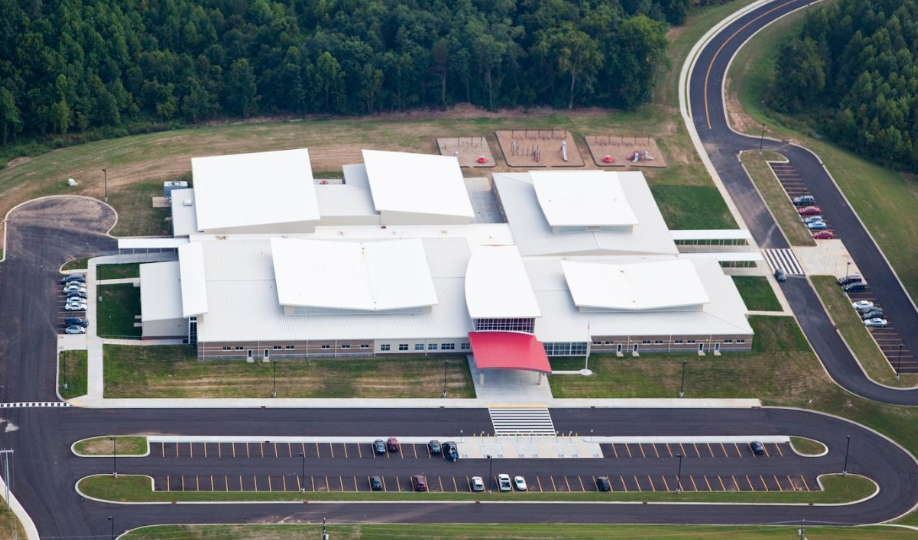
Why More School Boards Are Turning to ICF School Construction for Long-Term Cost Savings

How to Integrate an HVAC System with ICF Construction