
7 Problems with Wood Frame Construction
Seven specific problems with wood frame construction include fire- and wind-resistance, durability, low thermal mass, shrinkage, and compromised acoustics and indoor air quality (IAQ).
Is burning EPS toxic?
Test reports conducted by the National Research Council state: “The maximum toxicity index obtained from the combustion of polystyrene was of the same order as that of wood.” Fox Blocks ICFs have been tested to meet building code requirements for flame spread ratings, smoke development and toxicity

ICF Construction in Michigan - Everything You Need to Know

Brewery Construction: Build a Highly Durable, Energy Efficient Building
Brewery construction, like brewing itself, is both an art and a science. The building must not only be aesthetically pleasing, but also functional and durable.

ICF Construction in Texas - Everything You Need to Know
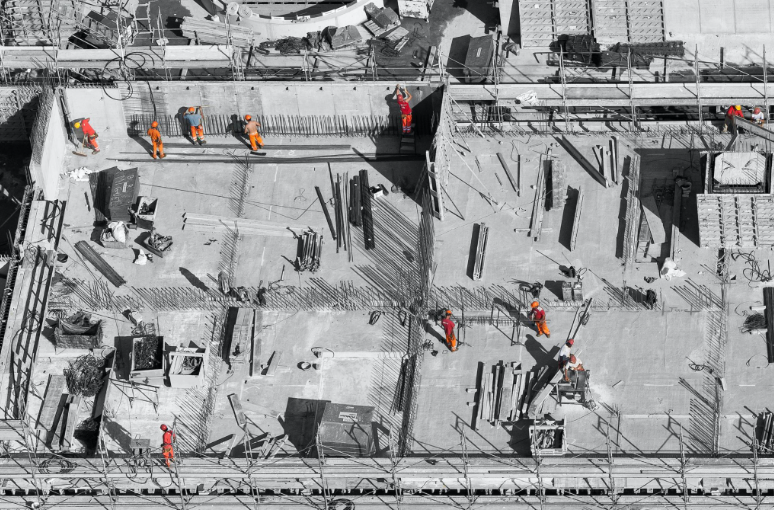
From Efficiency to Durability: The Many Benefits of ICF Construction

Insulated Concrete Forms (ICF) Vs. Wood-Frame Construction
Insulated concrete forms (ICF) create a more energy-efficient, quiet, and healthy building than one built with wood-frame construction. ICF buildings are also more resistant to disaster, fire, insect, and moisture intrusion than wood-frame structures.

How to Achieve a High Whole-Wall Thermal Performance With Fox Block ICFs
The whole-wall thermal performance of ICF ensures a comfortable living and working space with energy savings and manageable bills.

What R-Value Do You Need for Basement Walls?
The proper R‑value of basement walls will produce energy-efficient, durable, healthy, and comfortable homes. Learn what R‑value your basement walls should have.

What Today’s Empty Nesters Want for Their New Homes
Empty nesters can simplify their lives, save money, and help the environment by downsizing to a single-story, energy-efficient, low-maintenance, and durable home.