
Exterior Wall Thickness: How Thick Should Your Walls Be?
The exterior wall thickness of a home significantly impacts the house’s energy efficiency, disaster resistance, and IEQ. Learn how thick exterior walls should be.

Metal Studs vs Wood Studs Price: Why ICF Provides a Better Long-Term Value
Building Beyond Code with ICF
While it may seem that having to comply with constantly-evolving building codes is just part of doing business in a modern society, that’s not really true.

Dominion Springs Plaza
This high-end, multi-building, retail plaza was the first of its kind in the world of ICF construction.

21 Construction Techniques to Build a Small, Sustainable, Eco-Friendly Home

The Advantages of ICF over CMU Construction
Concrete masonry units (CMU) and insulated concrete form (ICF) walls have several features in common: energy-efficiency, durability, and good indoor environmental quality (IEQ). However, ICF is quicker and easier to install compared to CMU, which saves time and money.
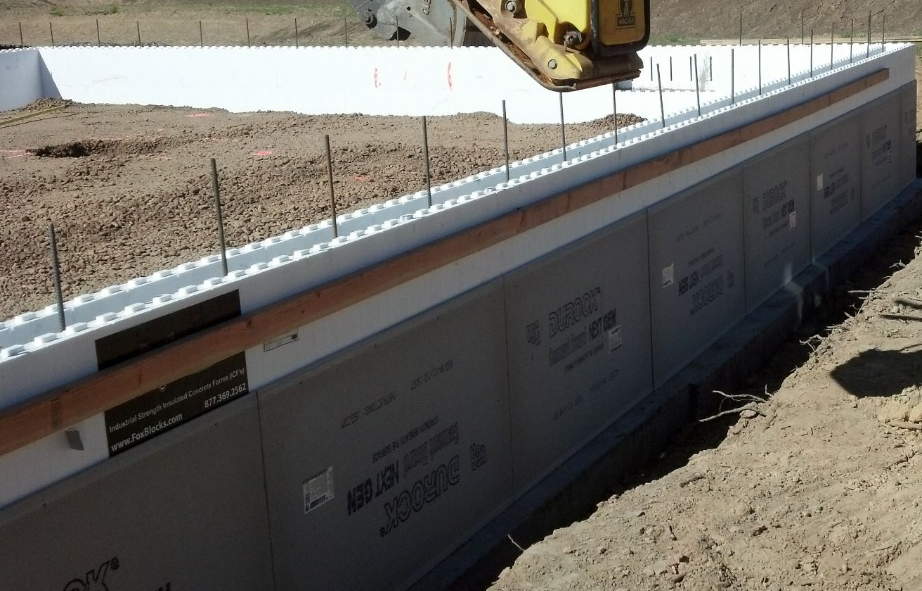
Continuous Wall Foundation: Building a Strong Continuous Load Path from Foundation to Roof
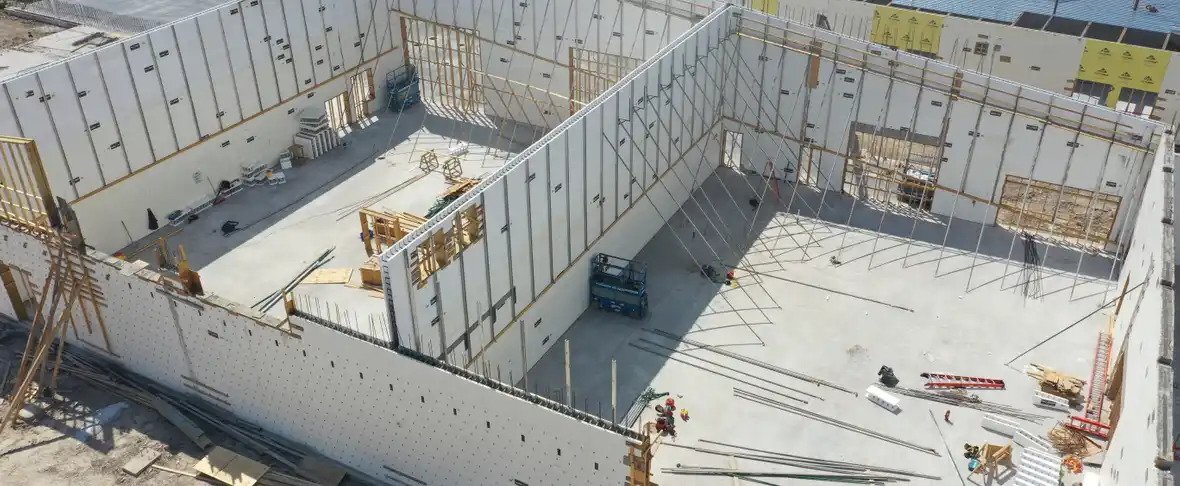
The Integrated Design Process (IDP) and Insulated Concrete Forms (ICFs)
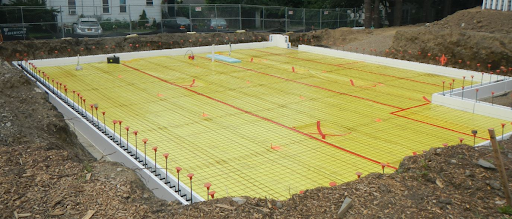
Living with a Safe Foundation

Flexible Construction: Can ICFs be Poured in Multiple Stages?