
How Much Does It Cost To Build A Car Wash?
Launching a car wash begins with numbers. Owners and developers evaluating feasibility quickly encounter a familiar question: how much does it cost to open a car wash? The answer depends on land conditions, construction scope, wash type, utility demands, and operational priorities that influence both initial investment and long-term ownership expense.
Key Factors That Shape Car Wash Construction Costs
Car wash construction budgets develop under multiple interdependent variables. Single decisions rarely control final cost outcomes, as site conditions, facility type, structural scope, and regional factors interact throughout planning and design.
Multiple Cost Categories Drive Budget Variability
Project budgets vary because car washes combine real estate, intensive site work, specialized structures, and mechanical systems. Each category adds cost pressures that shift total development requirements.
Facility Type Significantly Alters Cost Structure
Facility type drives early differences. A basic self-serve installation operates under a distinct cost structure compared with an express tunnel or an in-bay automatic wash. Structural size, drainage design, equipment density, and water management requirements influence capital expenditure from the outset. Regional labor rates, permitting timelines, and material pricing further affect budget projections.
Early Estimates Reflect Ranges Rather Than Fixed Numbers
Early-stage estimates rarely resolve into a single fixed number. Cost planning exercises typically evaluate a range shaped by design decisions, site conditions, and market factors. Early feasibility discussions often begin with the question, how much does it cost to open a car wash, yet reliable projections require evaluating structural scope, infrastructure demands, and equipment selection together.
Typical Cost Ranges For Car Wash Construction
Total project costs span a wide range, yet industry observations commonly place car wash construction budgets within broad bands. Smaller self-serve facilities may begin in the lower six-figure range, while in-bay automatic washes commonly extend into the mid-to-upper six figures depending on equipment and site complexity. Full tunnel systems, particularly those designed for high throughput, often reach seven figures or more once land, structure, utilities, and mechanical systems are accounted for.
These ranges illustrate common industry observations rather than predictive pricing. Final investment levels ultimately depend on land acquisition, local construction costs, wash capacity, and equipment sophistication. Early financial modeling benefits from recognizing that structural and infrastructure costs often rival or exceed equipment investment.
Land Acquisition And Property-Related Expenses
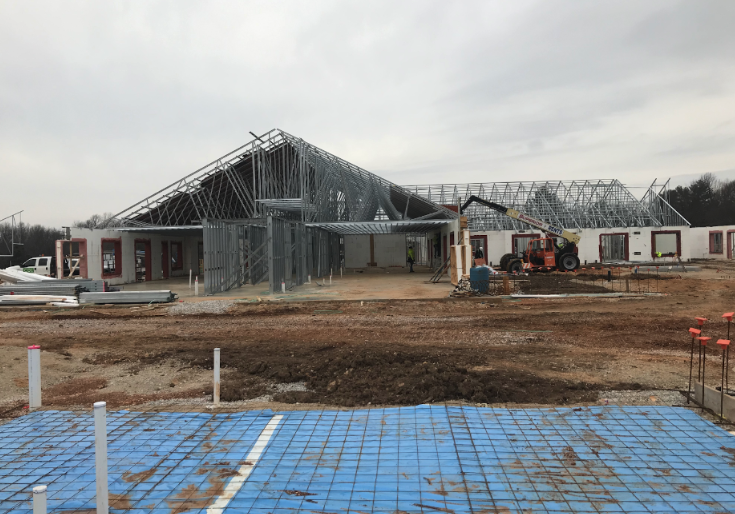
Site selection establishes the financial foundation of a car wash project. Land pricing, parcel characteristics, and pre-construction requirements shape feasibility long before design and construction costs are finalized.
Land Often Dominates Early Project Budgets
Land frequently represents the largest single line item before construction begins. Purchase price responds to traffic visibility, zoning classification, parcel size, and local real estate dynamics.
Location And Parcel Characteristics Influence Cost
High-traffic corridors command premium pricing because site exposure directly affects wash volume potential. Secondary locations may reduce acquisition costs yet alter revenue projections. Site geometry also plays a role. Irregular parcels often increase layout complexity, circulation challenges, and paving requirements.
Due Diligence And Pre-Construction Studies Add Cost
Beyond purchase price, developers must account for environmental assessments, geotechnical investigations, surveying, and any required demolition or clearing. These evaluations stabilize project risk while influencing design decisions and construction planning.
Land cost volatility alone can significantly influence calculations tied to how much does it cost to open a car wash, particularly in high-visibility retail corridors.
Design, Engineering, And Planning Costs
Professional design services convert a concept into a buildable project. Architectural layouts, structural engineering, civil drawings, and utility coordination define construction scope and technical requirements.
Typical planning and design costs include:
Architectural layouts and space planning
Structural engineering
Civil/site engineering drawings
Mechanical and plumbing coordination
Utility design and integration
Permitting documentation
Design Precision And Documentation Influence Financial Risk
Wash configuration significantly influences this phase. Tunnel systems, reclaim water loops, and complex drainage assemblies require deeper coordination than compact in-bay facilities. Planning expenditures may appear secondary, yet incomplete documentation frequently leads to change orders, delays, and budget escalation.
Design precision directly affects estimates associated with how much does it cost to open a car wash, since inaccurate drawings, incomplete specifications, or poorly coordinated utility layouts frequently trigger construction-phase cost increases that erode financial predictability.
Permits, Compliance, And Soft Costs
Municipal approvals and regulatory compliance introduce another layer of expense that is sometimes underestimated during early budgeting. Permitting fees, zoning reviews, environmental compliance requirements, and utility connection charges vary by jurisdiction and project scope. Extended approval cycles also increase interest exposure, contractor remobilization costs, and schedule-driven labor inefficiencies.
Car washes often require additional oversight tied to water discharge, reclamation systems, drainage design, and chemical handling. Permitting delays and revisions can extend timelines and increase carrying costs. Incorporating these soft costs early improves feasibility accuracy and reduces the likelihood of budget surprises.
Site Work, Excavation, And Utility Infrastructure
Car washes impose unusual demands on site preparation. Large water volumes, trenching requirements, underground piping, and drainage structures create excavation-intensive conditions.
Typical site expenditures often include:
Ground preparation and grading
Aggregate base installation
Underground plumbing and water lines
Electrical conduit placement
Drainage systems
Oil/water separation equipment
Water and sewer connections
Site work and underground utility installation commonly represent 15–35% of total construction cost depending on soil conditions, service proximity, and drainage complexity.
Soil Conditions And Utility Access Drive Cost Variability
Soil conditions play a decisive role in this category. Stable granular soils reduce foundation preparation requirements, while expansive clay or poorly draining subgrades increase structural and drainage costs. Rock excavation, poor bearing capacity, high groundwater, or unexpected subsurface obstructions frequently produce the largest deviations from preliminary budgets.
Utility access introduces another major cost variable. Parcels requiring extended service runs, capacity upgrades, or complex drainage controls introduce additional expense prior to building construction. Site conditions represent a critical factor shaping how much does it cost to open a car wash, especially when soil instability or utility extensions increase excavation scope.
Building Structure And Construction Materials
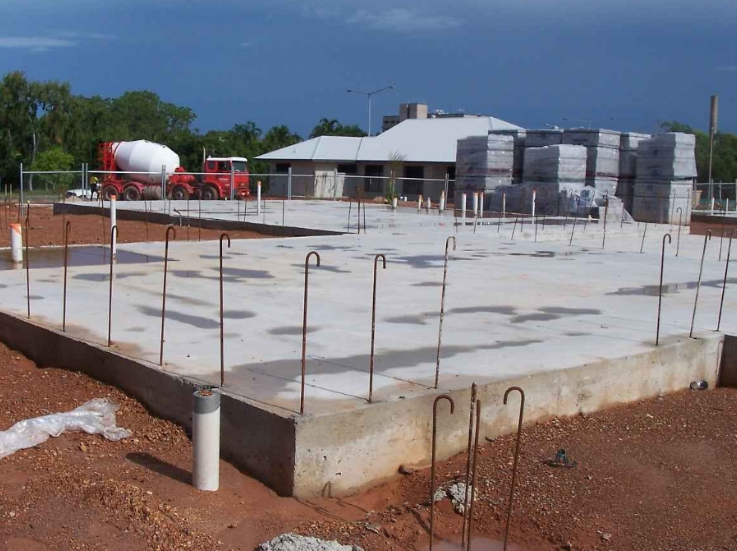
Building design and material selection directly drive both construction cost and long-term facility durability. Structural systems must accommodate moisture exposure, chemical contact, vibration, and continuous operational demand unique to car wash environments.
Facility Size And Durability Requirements Shape Structural Cost
Structural costs depend on facility size, wall system selection, and durability requirements. Car washes expose buildings to moisture, chemical agents, vibration, and temperature variation.
Material Selection Influences Lifecycle Performance And Maintenance
Material selection governs both initial construction expense and lifecycle performance. Conventional masonry and steel framing remain widely used, yet these assemblies often require additional insulation layers and moisture control measures. Larger footprints, higher bay counts, and tunnel structures naturally increase enclosure and foundation costs.
How Insulated Concrete Forms Influence Car Wash Economics
Insulated Concrete Forms (ICFs) provide a combined structure and insulation system that directly affects energy consumption and structural longevity. Car wash buildings operate under continuous moisture exposure and heavy mechanical demand, making envelope performance a central factor in both efficiency and durability.
Car wash facilities rely on high-demand systems including heated water loops, dryers, and ventilation equipment. Thermal inefficiency increases utility costs year after year, while envelope leakage amplifies heating and cooling loads. Wall-system performance plays a decisive role in long-term operating cost stability. Durability also contributes to long-term economics.
Specialized Car Wash Equipment Costs
Mechanical systems define wash functionality. Equipment costs vary widely based on wash format and automation level.
Equipment Configuration Drives Capital Investment Levels
Self-serve facilities require pumps, metering systems, and control assemblies, while in-bay automatic washes incorporate gantry mechanisms, spray arms, dryers, and integrated control systems. Tunnel systems add conveyor assemblies, applicator arches, high-capacity dryers, and reclaim water equipment. Equipment packages may range from tens of thousands to several hundred thousand dollars depending on throughput capacity and system sophistication.
Equipment scope frequently reshapes assumptions about how much does it cost to open a car wash, particularly when higher automation levels and increased wash volumes drive capital expansion.
Scenario Illustration: Comparing Build Types
A compact self-serve installation on an urban infill site may emphasize land acquisition efficiency and lower equipment investment while still requiring substantial site work and utility coordination.
An in-bay automatic wash often increases mechanical system cost and building complexity but reduces land requirements compared with tunnel formats.
Express tunnel facilities shift budgets toward larger structures, extended conveyors, high-capacity dryers, and more intensive water management systems.
These contrasting scenarios illustrate how wash configuration directly drives structural, equipment, and infrastructure expenditures.
Finishing Elements And Ancillary Components
Final build stages include features that prepare the facility for daily operation and customer use. Interior finishes, lighting systems, signage, vacuum stations, payment kiosks, landscaping, and paving collectively complete operational readiness.
While individually smaller than structural or equipment expenditures, these components collectively account for a notable share of total investment and influence how the facility performs and is perceived once operational.
Construction Choices And Long-Term Operating Costs
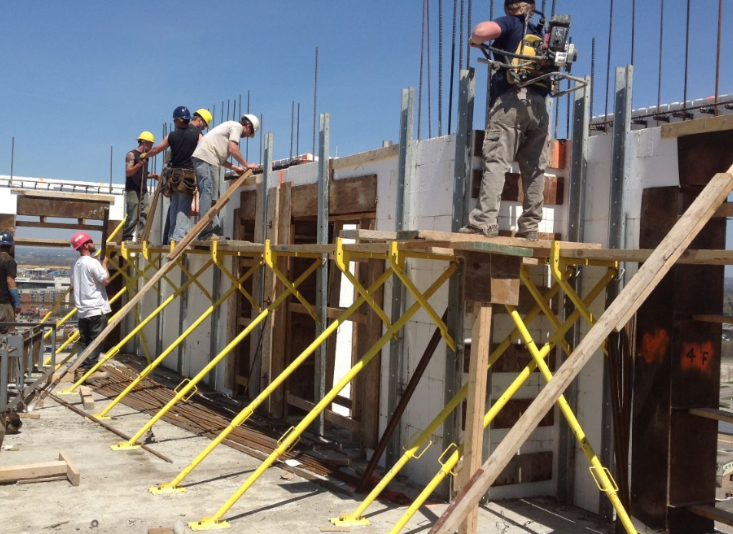
Construction decisions extend beyond initial capital expenditure. Envelope efficiency directly alters energy demand, while structural durability governs maintenance cycles, repair frequency, and resistance to moisture-related deterioration.
Projects optimized solely for upfront savings may encounter elevated lifetime expenses when inefficiencies or degradation accelerate. Durable wall assemblies and continuous insulation strategies help stabilize operating costs over time, strengthening the financial performance of the facility.
Budget Ranges And Reality-Based Expectations
Exact project costs vary by region, site conditions, and facility scope, yet broad development ranges frequently span from lower six figures for compact installations to seven figures or more for complex tunnel systems. Land pricing, equipment selection, infrastructure demands, and regulatory conditions ultimately determine where a project falls within this spectrum.
Early Planning Resources For Car Wash Developers
Developers evaluating how much does it cost to open a car wash must balance construction expenses with operational modeling. Early planning variables such as wash type, pricing strategy, and projected volume frequently shape facility design and equipment selection during the car wash business planning stage.
Build Your Car Wash With Fox Blocks Insulated Concrete Forms
Fox Blocks Insulated Concrete Forms support commercial projects requiring durability, energy efficiency, and structural resilience. ICF construction stabilizes operating costs by improving thermal performance and moisture resistance. Contact our team today to discuss design strategies, cost considerations, and project-specific construction guidance.