ICFs and Severe Weather
The steel reinforced concrete, which can cure stronger than normal concrete because of the foam insulation, can withstand winds of over 200 MPH, and projectile debris traveling over 100 MPH. There are dozens of eye witness examples of ICF homes taking EF5 tornadoes head on with the walls still standing.
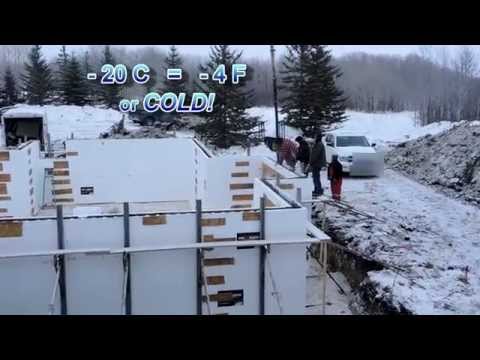

ICF Storm Shelters: Superior Protection Against Severe Weather
As extreme weather events increase in frequency and intensity, the demand for reliable storm protection has never been more urgent. Insulated Concrete Forms (ICFs) offer an advanced solution for constructing storm rooms that deliver unparalleled safety, durability, and energy efficiency.
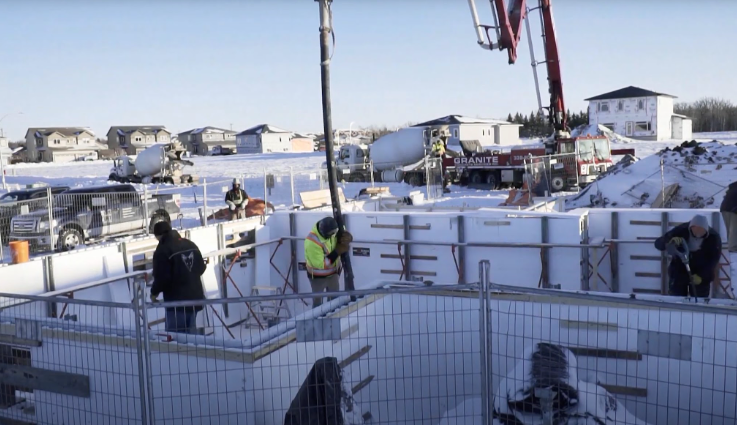
6 Expert Tips for Pouring Concrete in Cold Weather
Can you build and pour concrete in cold weather?
Yes. The forms insulate the concrete and enhance the curing process. The top of the forms, or exposed concrete areas will need to be covered, temporarily, with insulation to prevent the exposed concrete from freezing. Fox Blocks projects can be constructed any time of the year, no delays for cold weather.

Built to Weather Any Storm, Resilient Buildings Strive to Withstand Climate Events
Do you have a High Performance Window Buck that will stand up to these tests?
During a severe weather event, the most critical factor for increasing the chances of a building’s survival is protection of all the openings to the outside. Once the wind enters the structure, the pressure changes lead to disastrous results.