
Utilizing Insulated Concrete Forms (ICFs) for Construction in Wyoming

What Do You Mean You Haven’t Heard of an ICF?
Fox Blocks Integrated Learning Center’s (ILC) online training provides comprehensive step-by-step practices for adequately installing insulated concrete forms (ICFs).

The Advantages of ICF Construction for Multiplex Housing
When is a Taper Top form required?
Taper Top forms are specifically designed to provide a larger bearing surface along the top of the wall. Typically, the increased bearing surface may be used to support masonry, floor or roof loads. Taper top forms are used in the transition from ICF to wood frame construction and the taper top form would be the top form on the wall.

How to Alleviate Risk Management by Building with ICFs

How Architects Can Sell Clients on ICF Construction
Utilizing ICF for residential projects is an amazing way to create strong and safe homes while utilizing ICF for commercial projects is an easy way to hit deadlines earlier with lower costs. Want to know how to sell your clients on ICF construction? Keep reading to receive expert knowledge on all the benefits and the best way to communicate them.
Tilt Up Construction and Insulated Concrete Forms
Last year Fox Blocks decided we could add speed and value to the Tilt Up industry and it took all of 2 weeks to get the Fox Tilt insert engineered, mold made, and production started. I can’t stop grinning about the capabilities of our parent Airlite Plastics.
Insulated Concrete Form manufacturer of Fox Blocks is exhibiting at AIA National Convention: New Orleans: May 12-14
Fox Blocks is exhibiting at the AIA National Convention being held here in New Orleans now through May 14th.
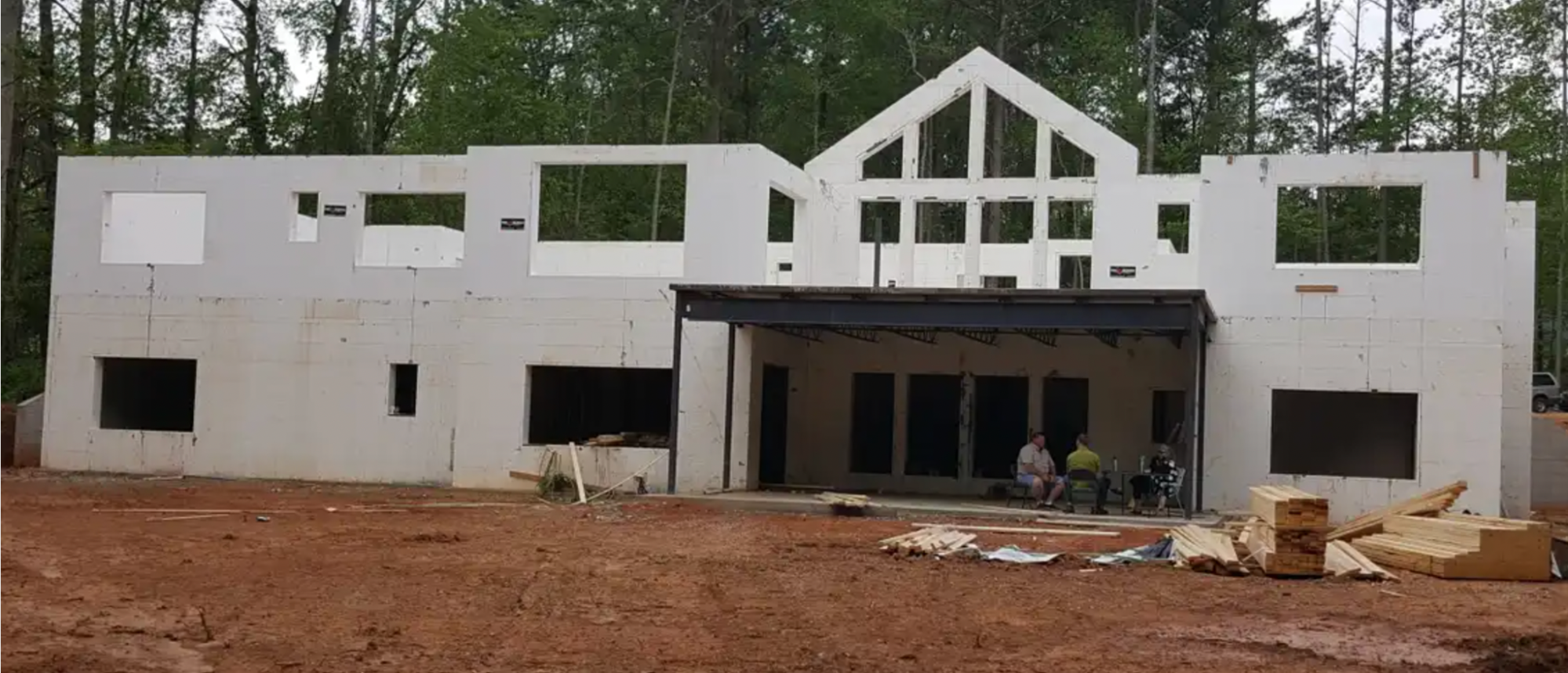
The Best Way to Approach High R Value Wall Construction
Do I Really Need a Building Permit for This?
When building a new home or business, it’s essential for contractors to obtain a building permit and post it at the construction site.