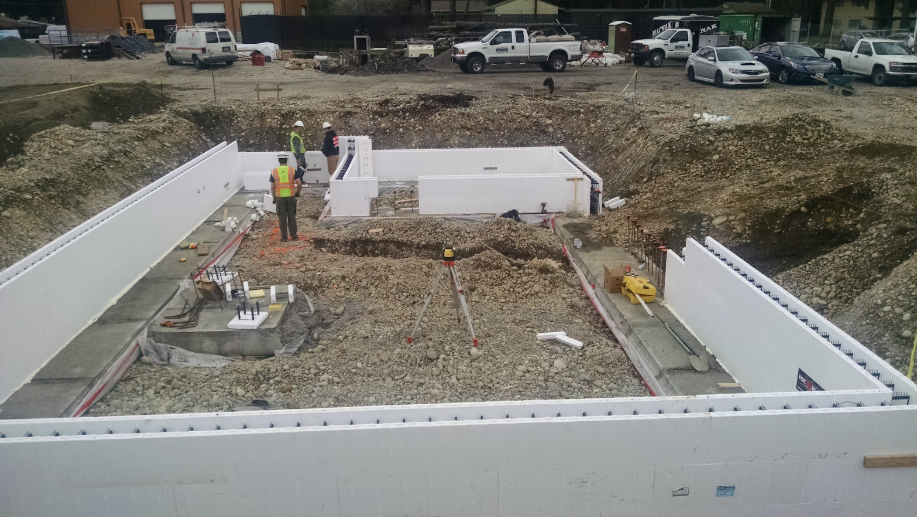
The Overlooked Value of ICF in Resilient Building Insurance
Explore the overlooked value of ICF construction in resilient building insurance, lowering risk while boosting safety and efficiency.

Modern Concrete Home Design Using ICF
Today’s architects, contractors, and homeowners are increasingly recognizing the benefits of modern concrete home design using ICFs.
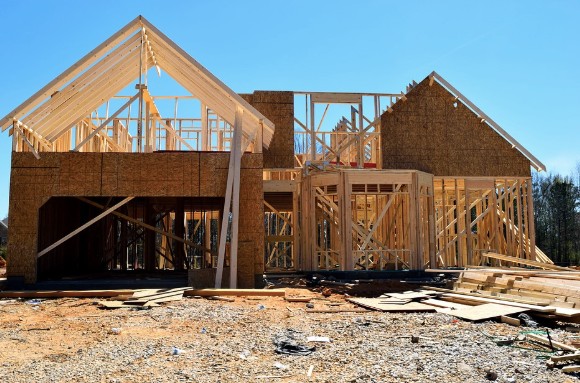
How Long Does It Take to Frame a House?
Wondering how long it takes to frame a house? Discover the key factors that influence the timeline and what to expect during the framing process!

5 Trends in Modern Office Building Design
In 2020, office building design trends strive to save money and provide a safe, healthy, and productive workspace.

12 Home Building Ideas for Your New Construction
Building a new home starts with a series of technical choices that define long-term performance. Every system, from structure to HVAC, must work together for energy efficiency, comfort, and durability.

PADUCAH MIDDLE SCHOOL
This school has hundreds of complex shapes and sizes that were accommodated by Fox Blocks.

How ICF Construction Lowers Capital and Yearly Expenses and Improves Resale Value

10 Eco-Friendly Alternatives to Traditional Concrete

Is ICF Construction Worth the Cost for Commercial Buildings?
ICF construction for commercial buildings has skyrocketed over the past few years. ICF benefits ranging from sound insulation to durability to building strength and disaster resistance have piqued a lot of interest for builders and architects. But it has some scratching their heads, mistakenly thinking ICF is more expensive and then wondering, “Is ICF construction cost worth it?”
How does the ICF block get secured to the foundation?
The ICF blocks are held in place with either low expansion spray foam or a metal starter track. The bracing/alignment system, typically installed after the 4th course of block, also supports the ICFs in place. Once the concrete is in the wall there is no concern with the forms moving. The concrete is connected to the footing with reinforcing dowels.