
What Are the Differences Between AAC and ICF Construction?
When considering AAC vs ICF construction, it’s important to know the differences, pros, and cons.

Florida ICF Homes are Energy-Efficient, Storm-Proof, and Durable

7 Problems with Wood Frame Construction
Seven specific problems with wood frame construction include fire- and wind-resistance, durability, low thermal mass, shrinkage, and compromised acoustics and indoor air quality (IAQ).

Exterior Wall Thickness: How Thick Should Your Walls Be?
The exterior wall thickness of a home significantly impacts the house’s energy efficiency, disaster resistance, and IEQ. Learn how thick exterior walls should be.

The Ideal Design of a Fire-Resistant Building
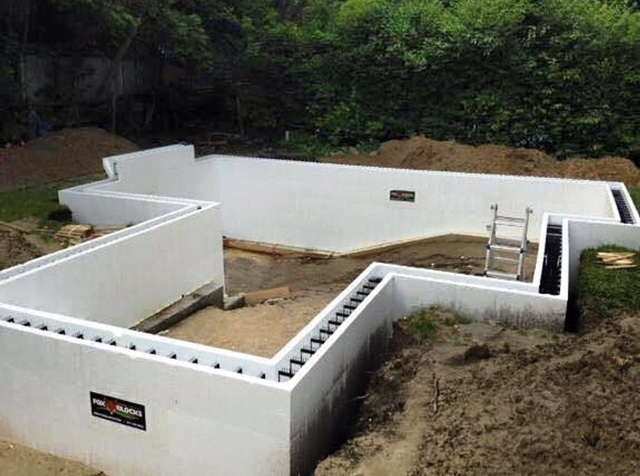
Cavity vs. Continuous Insulation: Discover the Best Option for Maximum Efficiency

5 Must-Haves for High Performance Building Envelope Systems

Fox Blocks Ensure an Energy-Efficient Home in Hot and Humid Dallas

Record-Low HERS Index Score Attained with Net-Zero Insulated Concrete Form (ICF) Home

A Guide to Designing an Energy-Efficient Building in a Hot Climate