
Constructing an ICF Garage Foundation
A garage is only as strong as the foundation beneath it. Without the right planning and construction, problems like settling, water damage, and instability can show up over time.
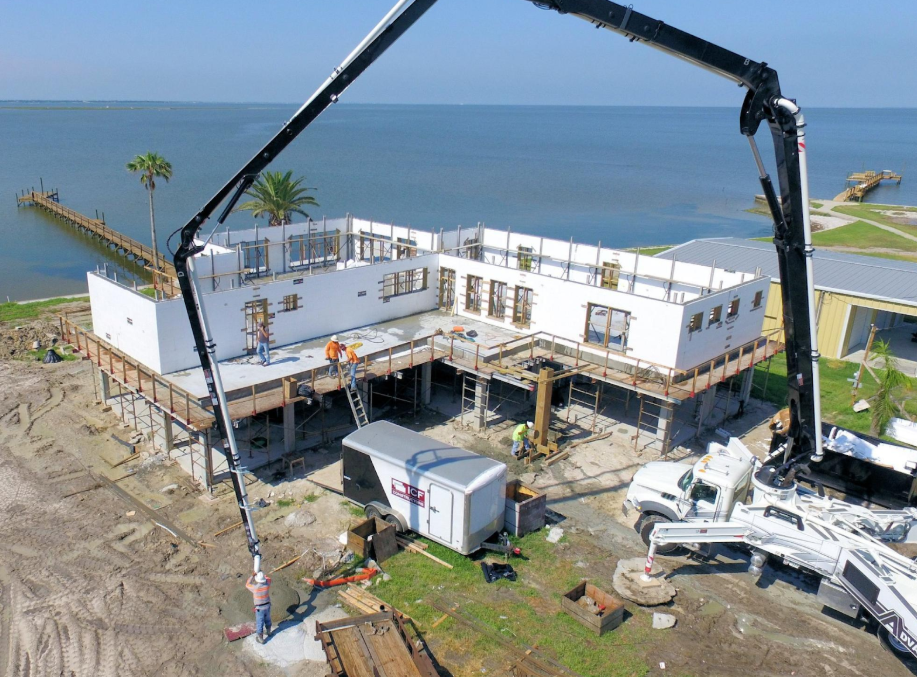
What is Concrete Pumping and How Does It Work?
Concrete pumping has changed the way contractors place concrete on job sites. Rather than hauling heavy loads in wheelbarrows or relying on cranes and buckets, a concrete pump delivers liquid concrete through a system of hoses, pipes, or booms — directly to the point of placement.

The Foundation of Construction: A Guide to Building Code Foundation Requirements

How to Build a House Foundation: 7 Steps to get a Solid Foundation

Cinder Block (CMU) vs. Traditional Poured Concrete Wall Foundations
We cover the differences between CMU blocks and poured concrete foundations so that you don’t have to learn from trial and error.

Building a Tsunami-Proof House with Fox Blocks
Building a tsunami-proof house requires strategic planning and the use of specialized materials. Coastal homes face unique challenges that demand solutions capable of withstanding powerful waves and the debris they carry.

Exterior Wall Thickness: How Thick Should Your Walls Be?
The exterior wall thickness of a home significantly impacts the house’s energy efficiency, disaster resistance, and IEQ. Learn how thick exterior walls should be.

10 Steps for Building a Home with Insulated Concrete Form Blocks
An ICF home, like one built with Fox Blocks, provides many of the essential features that today’s homeowner is looking for: excellent indoor environmental quality (IEQ), energy-efficiency, and disaster-resistance.

How to Design an Earthquake Resistant Home: a Definitive Guide

The Best ICF Pool Coating Options