
Rebar Sizes, Grades, and Types: Building Strength and Stability
Every structure, from towering skyscrapers to quiet family homes, relies on rebar to provide the strength and stability that concrete alone cannot deliver.

The Changing Landscape of K-12 School Construction in 2025
School construction for K‑12 is changing to meet today’s higher performance expectations. It’s about finding the right balance between keeping costs manageable, building strong, durable structures, and making schools more energy-efficient.

Design Considerations for Horse Barn Construction with Modern Materials

Modern Museum Architecture: Designing for Flow, Preservation, and Comfort
Museums shape how people interact with history, art, and knowledge — long before they step into the first exhibit. Layout and design choices influence not only the visitor journey but also long-term preservation, energy use, and operational function.
Privacy Policy

Party Wall Construction: Why ICFs Are the Best Option
Party wall construction plays a crucial role in the development of townhouses, condominiums, and duplexes. Party walls are strategically placed to separate individual units within a shared structure, to provide privacy, fire protection, and structural stability.

Home Construction: Built to Endure Hurricanes
A few surviving houses caught the eye of media outlets around the world, seemingly untouched by Hurricane Michael’s destruction. What made these houses different?

What Is Construction Phasing and Why Is It Important?
Construction phasing is revolutionizing the way we approach building projects. By dividing a project into manageable segments, it is a strategic method for tackling large-scale developments while also maintaining operational continuity.

How to Build a Church: A Guide to Lasting Worship Spaces
Understanding how to build a church involves recognizing that it’s more than a building — it’s a sanctuary for worship, fellowship, and community support.
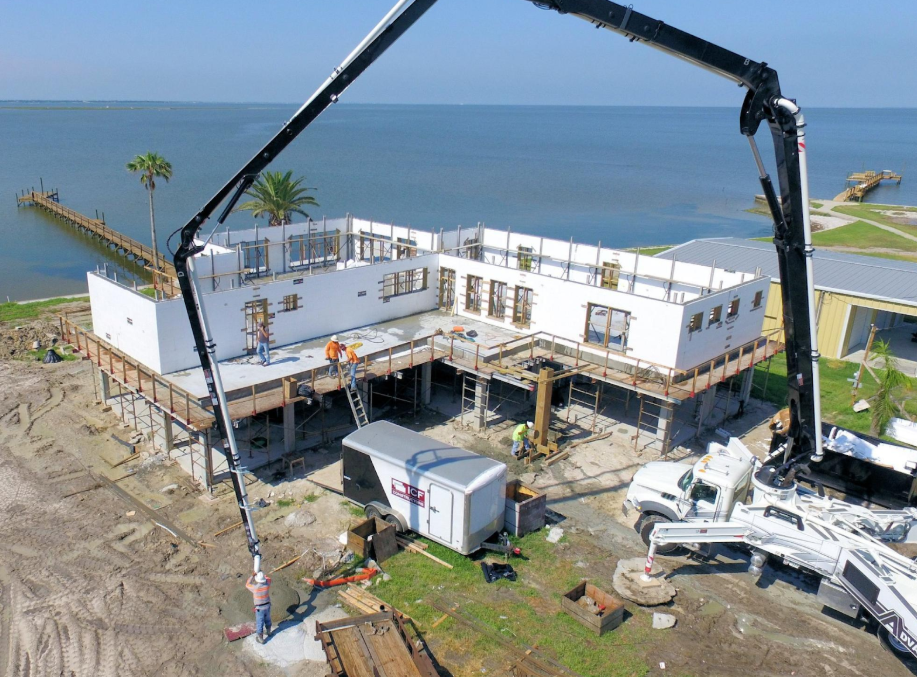
What is Concrete Pumping and How Does It Work?
Concrete pumping has changed the way contractors place concrete on job sites. Rather than hauling heavy loads in wheelbarrows or relying on cranes and buckets, a concrete pump delivers liquid concrete through a system of hoses, pipes, or booms — directly to the point of placement.