
11 Must Haves for Energy Efficient Homes in Canada and the Northern U.S.
North America’s long-cold, sub-zero winters demand energy-efficient homes that save Canadian and American homeowners money while keeping their families warm and comfortable.

What is the Optimal Foundation Wall Thickness?
A concrete foundation wall’s thickness plays an integral role in its long-term strength and durability. Local building codes mandate the foundation specifications, addressing conditions that affect the foundation thickness.

Home Construction: Built to Endure Hurricanes
A few surviving houses caught the eye of media outlets around the world, seemingly untouched by Hurricane Michael’s destruction. What made these houses different?

Insulated Concrete Forms (ICF) Vs. Wood-Frame Construction
Insulated concrete forms (ICF) create a more energy-efficient, quiet, and healthy building than one built with wood-frame construction. ICF buildings are also more resistant to disaster, fire, insect, and moisture intrusion than wood-frame structures.

Building Commercial Retail Developments with ICF Construction
Building commercial retail developments with ICF construction creates structures that are disaster-resistant, energy-efficient, environmentally-friendly, quiet, and durable.
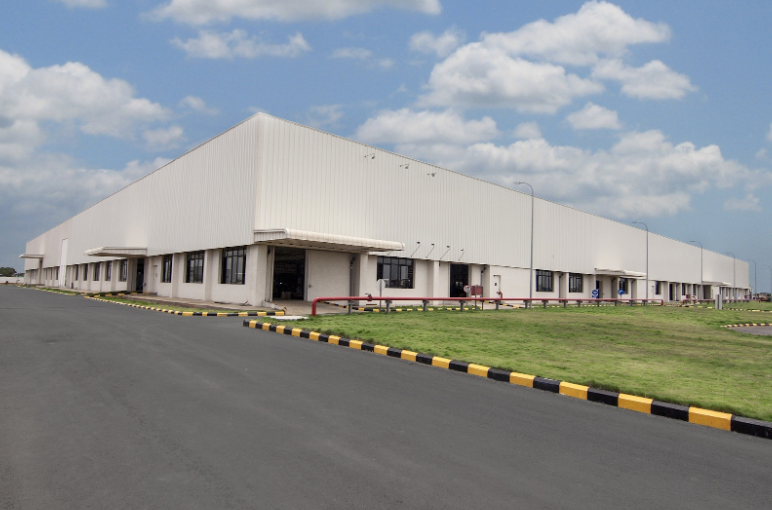
How Much Does It Cost to Build a 30,000 Sq Ft Warehouse?
By choosing practical, sustainable solutions, businesses can effectively manage the cost to build a 30,000 sq ft warehouse while boosting efficiency.

The Foundation of Construction: A Guide to Building Code Foundation Requirements

What Are the Differences Between AAC and ICF Construction?
When considering AAC vs ICF construction, it’s important to know the differences, pros, and cons.
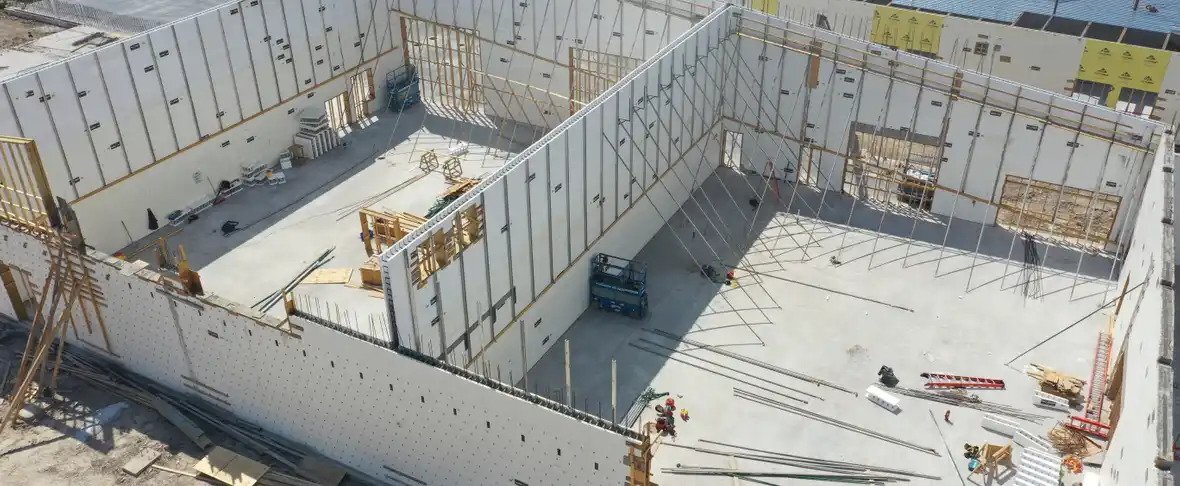
The Integrated Design Process (IDP) and Insulated Concrete Forms (ICFs)

Cinder Block (CMU) vs. Traditional Poured Concrete Wall Foundations
We cover the differences between CMU blocks and poured concrete foundations so that you don’t have to learn from trial and error.