
How Architects Can Sell Clients on ICF Construction
Utilizing ICF for residential projects is an amazing way to create strong and safe homes while utilizing ICF for commercial projects is an easy way to hit deadlines earlier with lower costs. Want to know how to sell your clients on ICF construction? Keep reading to receive expert knowledge on all the benefits and the best way to communicate them.
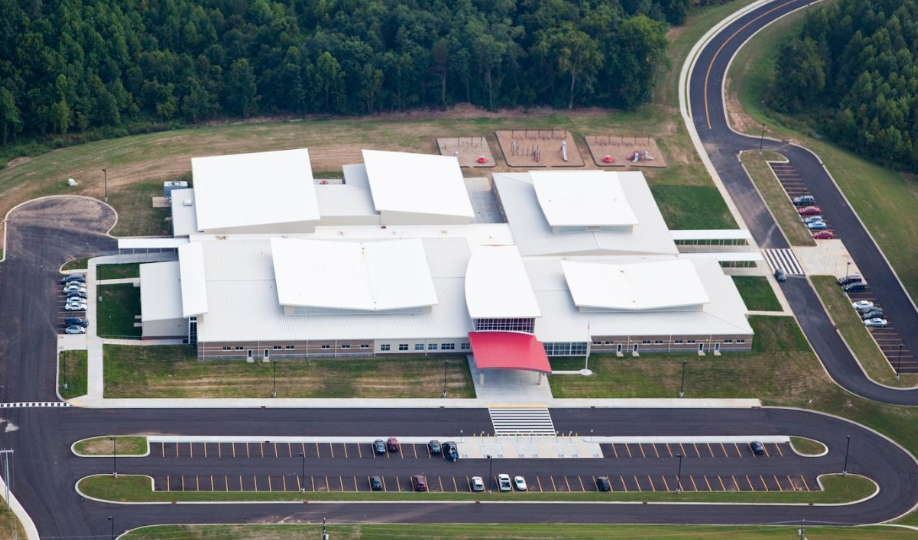
Why More School Boards Are Turning to ICF School Construction for Long-Term Cost Savings

Cinder Block (CMU) vs. Traditional Poured Concrete Wall Foundations
We cover the differences between CMU blocks and poured concrete foundations so that you don’t have to learn from trial and error.
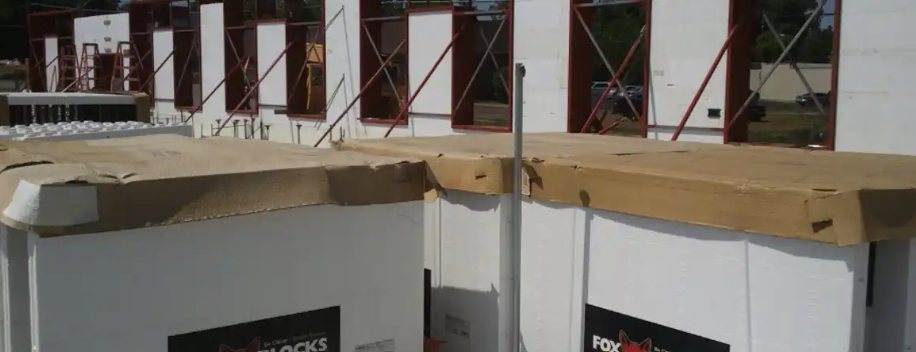
Metal Studs vs Wood Studs Price: Why ICF Provides a Better Long-Term Value
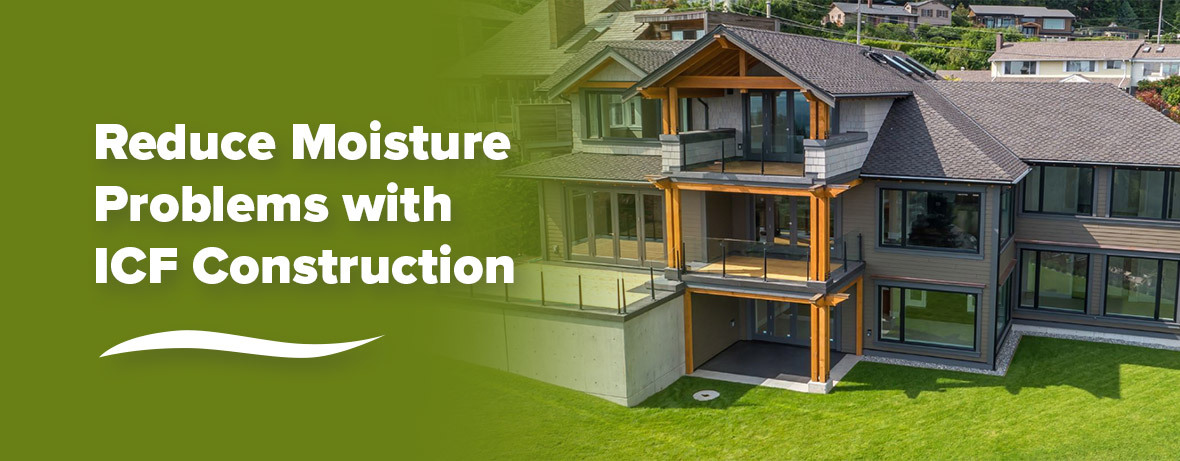
Reduce Moisture Problems with ICF Construction
You can avoid stud-framing moisture problems by choosing a moisture-resistant insulated concrete form (ICF) foundation for your new home.

What Are the Differences Between AAC and ICF Construction?
When considering AAC vs ICF construction, it’s important to know the differences, pros, and cons.

6 Trends for New Resident Hall - Dormitory Design and Construction
United States (U.S.) student housing construction projects are experiencing rapid growth, with investments in student housing reaching $9.8 billion in 2016 and $8 billion in 2017.

5 Construction Industry Trends in 2019
In 2019, construction industry trends welcome advancements in building methods and materials; however, the industry still struggles with ongoing labor shortages.
Everything Your Customer Wants You to Know About the Latest LEED Changes
Contractors, architects and engineers are designing and constructing new buildings that are using renewable materials, investing in sustainable HVAC systems, and are improving the building envelope to reduce the amount of energy waste.

The Benefits of Building Multi-story Residential Buildings with ICF Blocks