
Cinder Block (CMU) vs. Traditional Poured Concrete Wall Foundations
We cover the differences between CMU blocks and poured concrete foundations so that you don’t have to learn from trial and error.

Decoding Net-Zero Homes: Understanding the Concept and How to Build
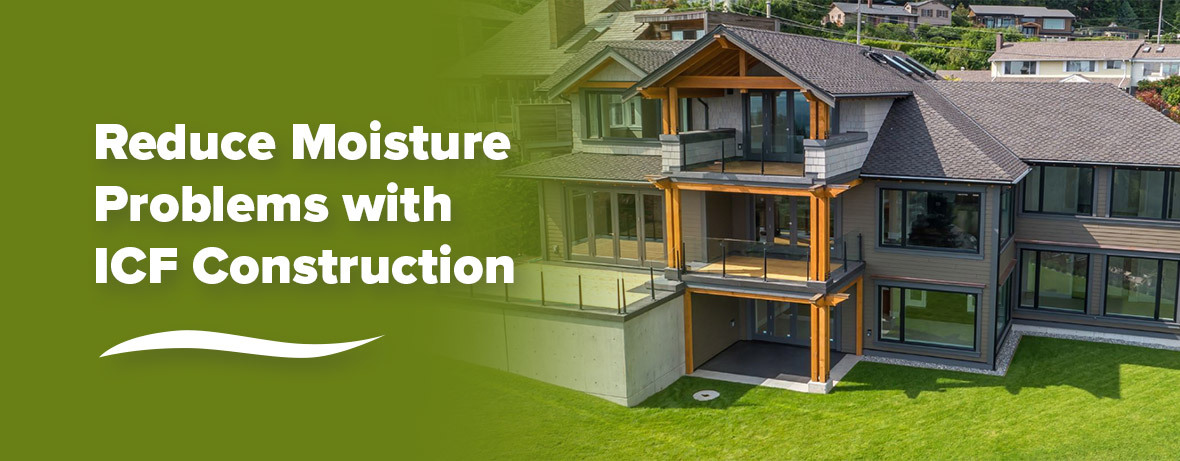
Reduce Moisture Problems with ICF Construction
You can avoid stud-framing moisture problems by choosing a moisture-resistant insulated concrete form (ICF) foundation for your new home.

7 Problems with Wood Frame Construction
Seven specific problems with wood frame construction include fire- and wind-resistance, durability, low thermal mass, shrinkage, and compromised acoustics and indoor air quality (IAQ).
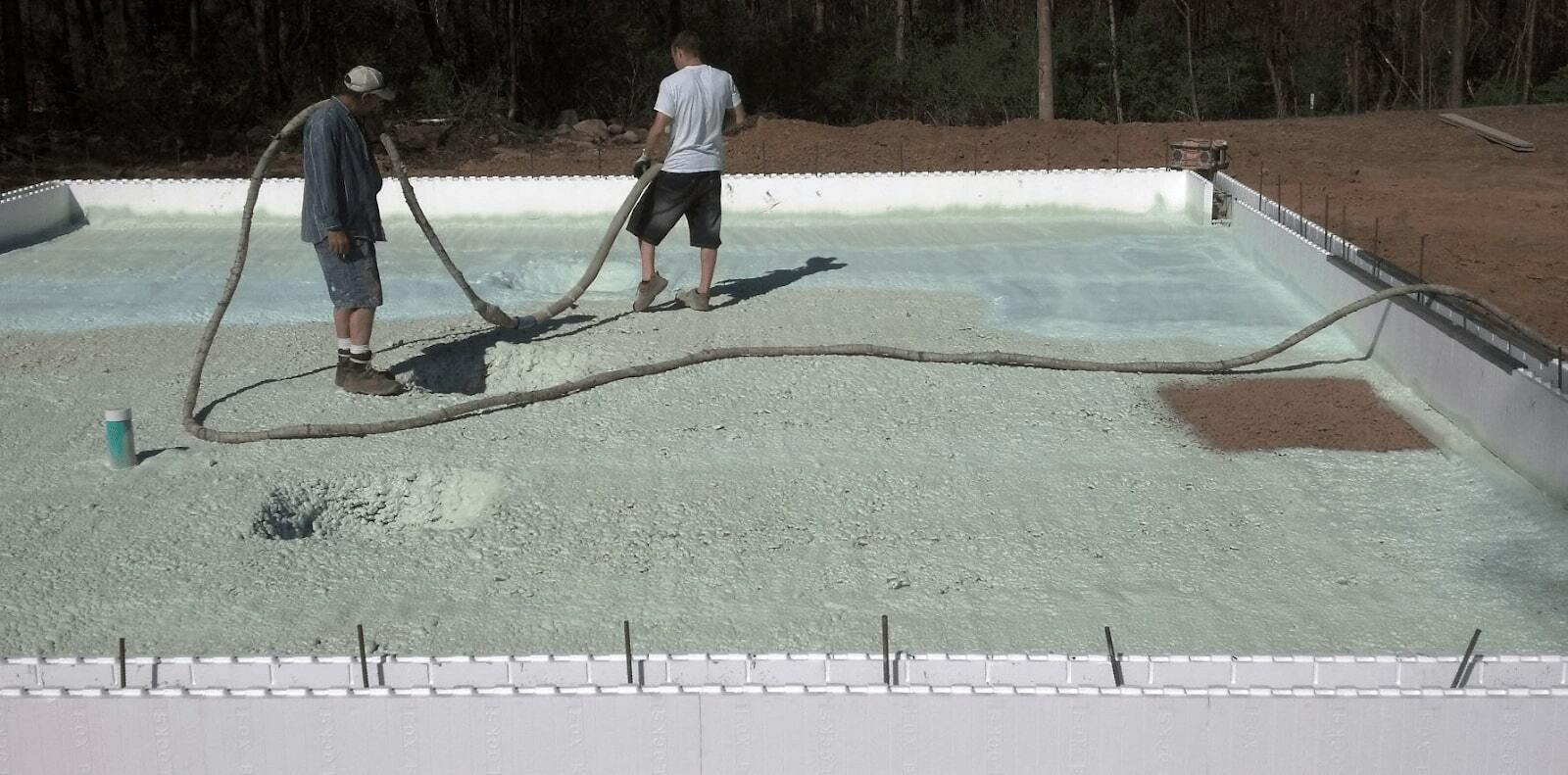
Swimming Pool Engineering and a Great Material to Utilize

What Climates Does ICF Work Best In?

ICF Walls Are Less Expensive Than CMU
Many contractors ask us the same question: Is ICF more expensive than CMU? Here’s why ICF walls are less expensive than CMU and offer better benefits.

Quick Build Construction: ICF Construction for Tract Home Builders

The Best Vapor Systems for Basement Walls

Insulated Concrete Forms (ICF) Vs. Wood-Frame Construction
Insulated concrete forms (ICF) create a more energy-efficient, quiet, and healthy building than one built with wood-frame construction. ICF buildings are also more resistant to disaster, fire, insect, and moisture intrusion than wood-frame structures.