
How to Build a Quiet Home From the Outside In
Noise reduction in new construction fails when the plan stops at the exterior walls. A quieter shell cannot keep voices, television sound, and daily room-to-room noise from bleeding into the spaces where people are trying to sleep, work, or focus. In practice, how to build a quiet home starts with treating the house as a full acoustic system, using ICF walls for exterior noise control and interior acoustic insulation where the partitions still need to do the privacy work the shell cannot handle on its own.
Why Many New Homes Still Sound Noisy
Early conversations usually stay fixed on structure, layout, energy performance, and finishes. Those choices matter, but they do not automatically control sound. Quiet has to be treated as part of the wall plan, not as something the house will solve on its own once the finishes are in place.
A lot of homes miss that connection because quiet gets treated like a finishing detail instead of a build decision. The result is a house that may perform well on paper but still feel loud in daily use, with exterior noise pressing against the shell and interior noise still moving too easily between rooms.
How to Build a Quiet Home With the Full Wall Plan
A quieter house has to solve two separate sound paths during construction.
Exterior Noise Starts at the Shell
The first noise problem sits at the perimeter. Traffic, barking dogs, lawn equipment, nearby construction, and ordinary neighborhood activity all work against the exterior enclosure, so the outside wall has to do more than hold the roof and meet the energy target. It is the broadest surface standing between indoor life and everything happening outside.
Interior Noise Moves Through the Partitions
The second noise problem shows up after the shell starts doing its job. Sound still moves between bedrooms and bathrooms, between home offices and living areas, and between laundry rooms and the quieter spaces beside them. That is why a nursery beside a family room or a bathroom wall against a bedroom can still feel loud even when the exterior wall package is strong.
How ICF Walls Help Quiet the Exterior Envelope
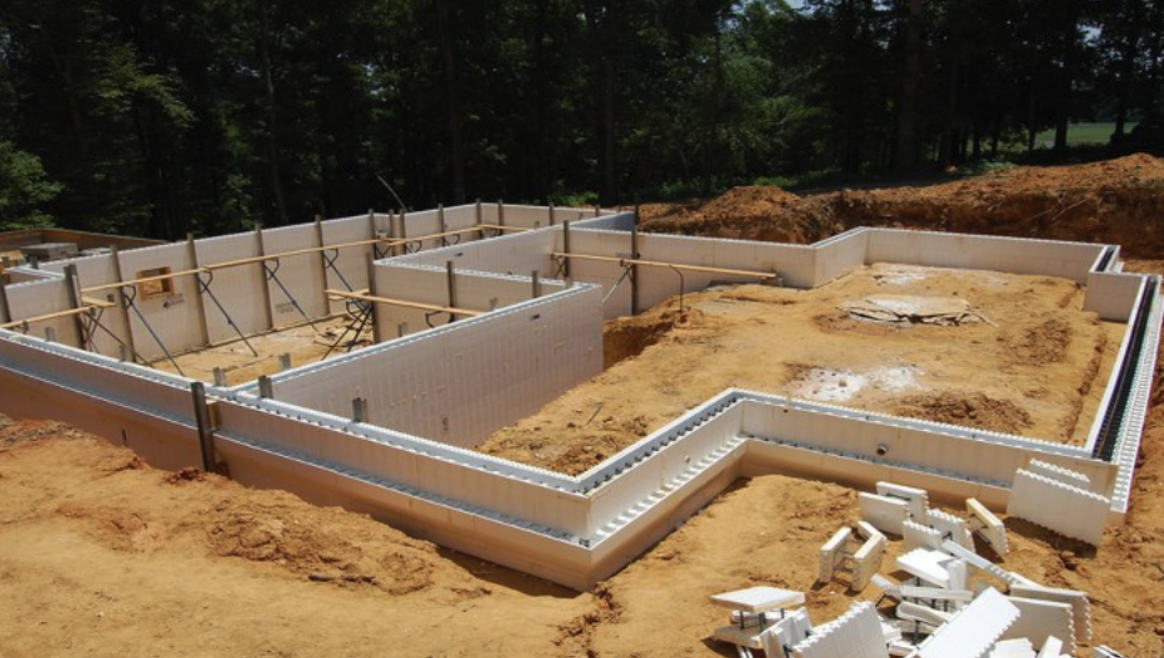
Start with the shell. TheFox Blocks ICF wall system is built around a solid concrete core and two layers of continuous insulation, a combination associated with strong sound-control performance and STC 45–50+. The related ICF acoustic performance guidance explains why that assembly works: concrete adds mass and density, while the insulation layers help reduce flanking noise and improve sound insulation. For readers trying to decide how to build a quiet home, that makes the exterior wall the right place to start.
Why the Shell Alone Is Not Enough
A quieter perimeter does not guarantee a quiet interior. Voices, television sound, and other day-to-day airborne household noise can still move too easily between rooms if the interior walls are treated as simple dividers. That is the gap many new homes leave behind when all the attention stays on the exterior assembly.
This is where how to build a quiet home stops being a shell decision and starts depending on the interior walls too. The shell can lower what comes in from outside, but the inside of the house still needs its own acoustic plan if the goal is sleep, concentration, and privacy instead of just a quieter exterior wall. The exterior envelope and the interior partitions solve different problems, and a good new-build plan needs both.
How Interior Acoustic Insulation Completes the System
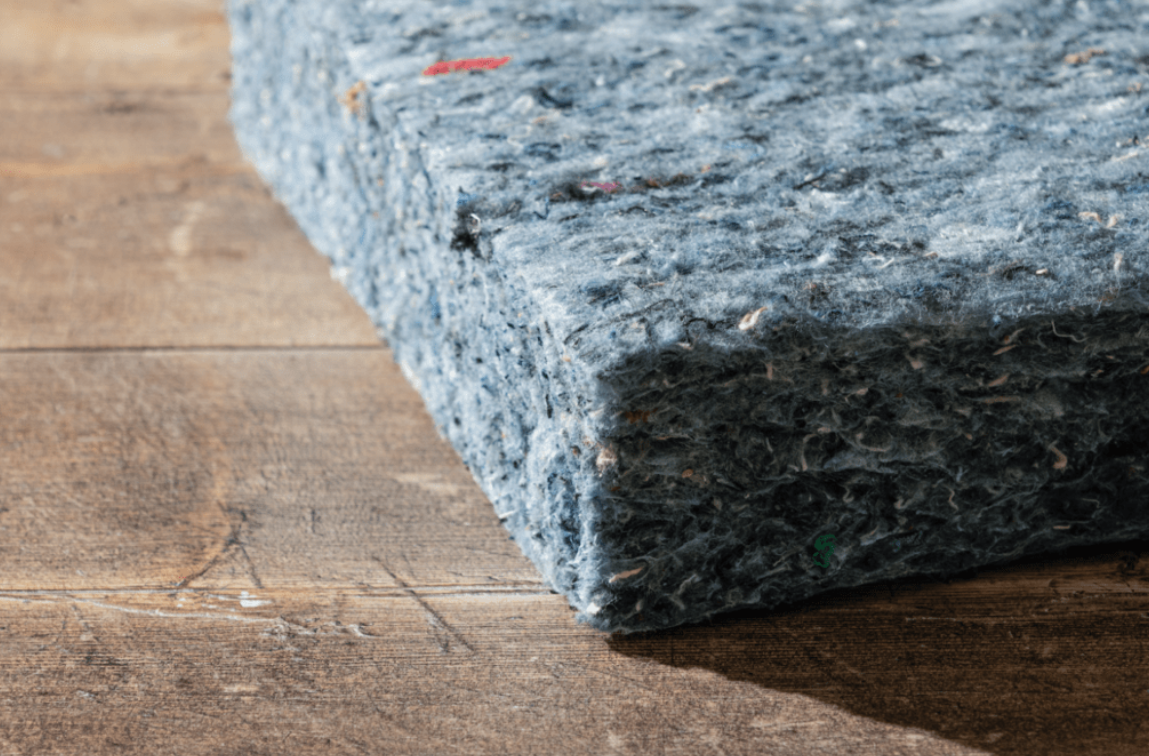
Interior partitions need their own acoustic plan once the shell has already done its job.
Why Interior Wall Insulation Changes the Way a House Sounds
Interior acoustic insulation changes that experience because it gives framed partitions a sound-absorbing layer where ordinary hollow walls have very little resistance to airborne noise. Inside an open cavity, sound waves can bounce and amplify, and adding dense insulation helps absorb that energy and reduce transmission between rooms. That matters most in bedrooms, nurseries, bathrooms, home offices, media rooms, and the shared walls that divide active zones from quiet ones.
Where Quiet Denim Fits In the Wall Package
That is whereQuiet Denim makes sense in this build. It is made for interior wall cavities, where a sound-absorbing batt can help slow the airborne noise that moves between bedrooms, bathrooms, home offices, and other shared spaces. With a published NRC rating of 1.05, it gives those partitions a more intentional acoustic role instead of leaving them to perform like ordinary framed walls. I
Which Interior Partitions Matter Most
Building a quiet home does not mean treating every interior wall the same way. It means looking at the floor plan and deciding:
which partitions divide loud spaces from quiet ones
which rooms need sleep or concentration
which shared walls will matter every single day after move-in
A wall between a pantry and a mudroom is not doing the same job as a wall between a bathroom and a bedroom, and the insulation plan should reflect that difference before the walls close.
What To Ask Before the Walls Close In
Construction-stage sound control is easier to coordinate while framing is exposed and the cavities are still accessible. At the wall level, that means how to build a quiet home is easiest to answer before insulation and drywall lock the assembly in place, because that is when the builder can still coordinate the exterior shell, confirm which interior partitions need acoustic insulation, and match those choices to the rooms that actually need privacy.
By the time the framing walk happens, the useful questions are direct. What exterior wall system is handling outside noise, which interior partitions are getting acoustic insulation, and have the bedroom, bathroom, office, nursery, and laundry adjacencies been planned that way before close-in? Those questions bring the shell, the partition package, and the floor plan into the same decision before the walls disappear.
Choose Fox Blocks ICF Walls For a Quieter Home
A quieter home starts with better wall decisions before the cavities disappear. Fox Blocks ICF walls can establish a stronger exterior shell, and a well-planned interior wall package can do the privacy work the shell cannot handle on its own. Contact us today for more information.
Frequently Asked Questions
Are ICF Walls Enough To Build a Quiet Home?
No. ICF walls can do a lot to reduce outside-to-inside sound transfer at the shell, but they do not solve the room-to-room noise that still moves through interior partitions. A quieter house usually needs both a strong exterior wall system and interior acoustic insulation where privacy matters most.
Which Interior Walls Should Get Acoustic Insulation?
The best candidates are the walls that separate loud spaces from quiet ones. That usually includes bedroom walls, bathroom walls, home office partitions, nursery walls, media room walls, laundry-adjacent walls, and other shared partitions where sound control affects sleep, concentration, or privacy.
Does Interior Wall Insulation Make a Difference In New Construction?
Yes. In framed interior walls, acoustic insulation helps absorb airborne sound inside the cavity and reduces how easily everyday noise moves from one room to another. New construction is the easiest time to add it because the wall cavities are still open and easy to plan around.
What Is the Difference Between Exterior Noise Control and Interior Noise Control?
Exterior noise control is about limiting the sound that enters the house from outside, which is where the wall shell matters most. Interior noise control is about limiting how easily sound moves between rooms after people are living in the house, which is where insulated interior partitions become important.
When Should a Builder Plan For a Quieter Home?
The best time is during design and framing, before insulation and drywall close the walls. That is when the builder can still coordinate the exterior shell, choose which interior partitions need acoustic insulation, and align those decisions with the way the house will actually be used.