
Home Construction Insurance: What Builders and Homeowners Need to Know
Building a new home creates coverage questions before the house is ready to occupy. Home construction insurance is a broad way to describe the coverage used to manage risk before, during, and after construction. The goal is to avoid gaps between construction-stage coverage and the policy that protects the finished home.
Types of Home Construction Insurance
A new home build or major renovation carries different risks at different points in the job. Homeowners insurance and builder’s risk insurance serve different purposes, and they usually apply at different points in the project. Homeowners insurance generally applies after construction, while builder’s risk insurance covers unexpected events during construction that may affect materials, equipment, and the building itself.
Home construction insurance can include more than one policy because a new build changes risk as the project moves from site work to framing, enclosure, completion, and occupancy. Builder’s risk coverage is usually tied to the construction phase, while homeowners insurance is designed for the completed residence. Title insurance is separate from both. It deals with ownership rights, liens, and title defects rather than physical damage to the structure.
These policies differ by timing, covered risk, and the role each one plays in the build.
| Coverage Type | When It Usually Applies | What It Helps Cover | What It Does Not Replace |
|---|---|---|---|
| Builder's Risk Insurance | During active construction | The structure under construction, building materials, theft, vandalism, fire, wind, and other covered construction-stage losses, depending on the policy | Homeowners insurance for the completed home |
| Homeowners Insurance | Near completion, at closing, or once the home is ready to occupy, depending on lender and insurer requirements | The completed home, personal property, liability, and covered perils | Builder's risk coverage for active construction |
| Title Insurance | During the land purchase, closing, or final financing process | Ownership defects, liens, title disputes, or other title issues covered by the policy | Property insurance, builder's risk insurance, or homeowners insurance |
What Does Builder’s Risk Insurance Cover?
Builder’s risk insurance protects the structure and covered materials while construction is underway. It can cover theft of materials, vandalism, weather damage, construction accidents, and other covered losses involving the building, materials, or equipment during construction.
Each policy is written differently, so homeowners and builders should confirm what is covered before work begins.
Some policies may cover materials stored on site, materials in transit, temporary structures, or soft costs, while exclusions may apply to faulty workmanship, employee injury, flood, earthquake, or other risks unless added by endorsement. For that reason, insurance during construction should match the actual jobsite exposure instead of assuming a future homeowners policy will cover active construction.
When Coverage Should Change During a New Build
The transition from builder’s risk insurance to homeowners insurance should be planned before the project reaches completion. Homeowners should ask the builder, lender, and insurance agent who is responsible for each policy, when the construction-stage policy ends, and when the completed-home policy must begin.
A coverage gap can open if the builder’s risk policy expires before the homeowners policy is active. For many projects, homeowners insurance should be arranged before closing, occupancy, or final handoff, depending on how the contract, lender, and insurer define completion.
Selecting the Right Home Construction Insurance Policy
Choosing the right insurance for a construction project involves looking at the project’s size, timeline, and risks. The policy should be reviewed and updated as the project moves through major stages so the coverage still matches the work being performed. Hiring licensed builders also matters because using unlicensed contractors can create claim and coverage problems.
When comparing home construction insurance options, homeowners should confirm whether the builder carries liability coverage, whether subcontractors have required coverage, and whether the builder’s risk policy is purchased by the owner or included in the construction contract. Responsibility can shift from one project to another, so the contract should make that responsibility clear before materials arrive on site.
A practical review should include:
Who buys and pays for builder’s risk insurance
Whether the lender requires proof of coverage
Whether materials stored off site or in transit are covered
When the policy value should be updated as the project progresses
When the completed-home policy must begin
Whether flood, earthquake, wind, or other regional risks require separate coverage
Fire Resistance
Wildfire exposure has become a larger insurance concern in many regions as development expands into higher-risk areas. In wildfire-prone regions, homeowners may face tighter underwriting, higher premiums, or stricter mitigation requirements.
The fire-resistant properties of ICFs contribute to safer home environments and can influence insurance considerations, although premiums vary by location, carrier, policy terms, and underwriting guidelines.
Energy Efficiency
ICFs offer superior insulation for notable energy savings. That efficiency can reduce operating costs for homeowners when the full assembly is designed and installed correctly.
For a new home, energy performance is part of the whole building picture. Wall assembly, roof design, mechanical systems, and regional hazards can all shape the way a completed home is reviewed, even though final pricing depends on the insurer.
Durability
The inherent strength of ICFs ensures long-lasting structural integrity by minimizing the need for repairs and maintenance, which can affect insurance costs and overall investment value.
For a new build, durability is not only a maintenance issue. Durability gives insurers and lenders clearer details about how the home is built, what it may cost to replace, and which regional hazards it is designed to resist.
Cost-Benefit Evaluation
While ICFs may have a higher initial cost, long-term value may come from energy performance, durability, reduced maintenance demands, and possible insurance-related benefits when documented resilience features are recognized.
Importance of Homeowners Insurance for New Construction
Once construction is finished, it’s crucial to switch to a detailed homeowners insurance policy.
New homes may qualify for insurance discounts because they are often built with newer materials, systems, and safety features, but rates depend on insurer guidelines, location, construction type, coverage limits, and regional risk. Some insurers may view updated systems, resilient materials, and protective features favorably, though each carrier evaluates risk differently.
Homeowners insurance for new construction should reflect the finished structure, completed systems, replacement cost, personal property needs, and liability exposure. That shift is why homeowners should confirm the policy start date before closing, occupancy, or final handoff. Homeowners comparing new build home insurance should also ask whether the insurer offers credits for newer systems, resilient materials, protective devices, or other qualifying features.
A separate closing-related coverage question may also come up during a new build. Title insurance does not protect the structure, but it can help protect the buyer’s ownership interest against covered liens, defects, or ownership disputes.
How Net Zero Goals Transform Homeowner’s Insurance
As underwriting conditions change, carriers are paying closer attention to climate exposure, energy performance, and property resilience. Sustainable and resilient building practices may support those conversations, but insurance terms still depend on carrier, location, risk exposure, and documented mitigation features.
Fox Blocks: Enhancing Security in High-Risk Areas
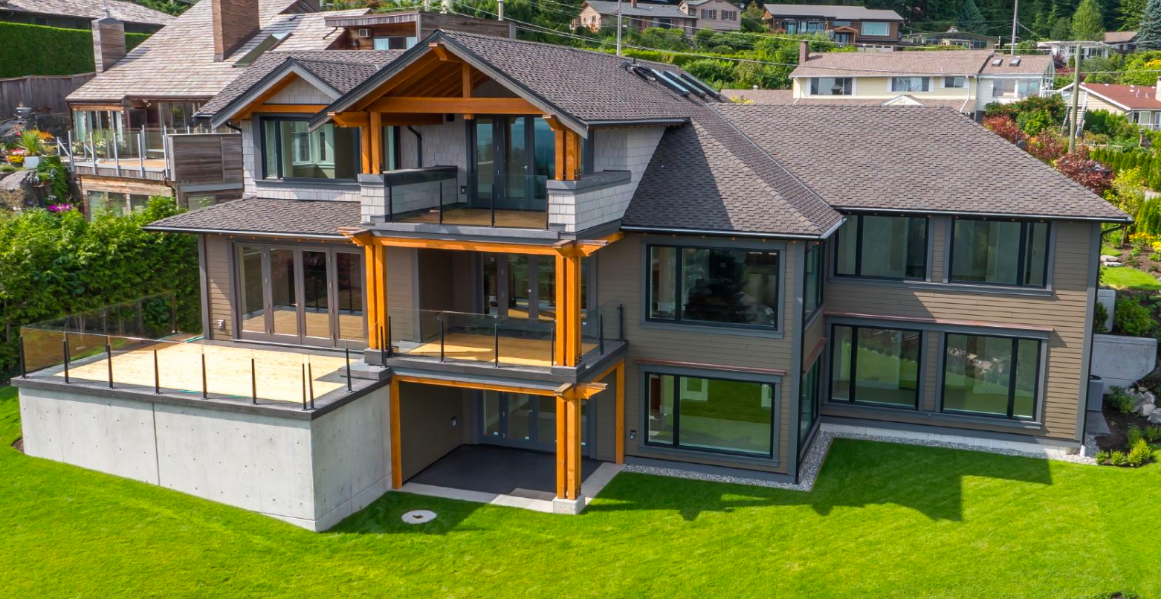
Wall-system selection becomes more important in regions where wind, fire, seismic exposure, or severe weather can affect long-term property risk.
Structural Resilience and Energy Efficiency
Fox Blocks ICFs provide structural resilience for homes in areas exposed to severe weather, fire, seismic activity, or other regional hazards.
With a range of core widths from 4 to 12 inches, the forms can support diverse architectural designs, including specialized blocks for complex structures. The double-layer insulation and reinforced concrete wall assembly help manage airflow, improve energy performance, and support long-term durability.
Design Flexibility and Durability
The product line includes T-Blocks and 45 Degree Angle Blocks for versatile construction options such as curved walls or intersecting systems. This design flexibility does not weaken the wall system; it supports the detailing needed for durable construction in demanding conditions.
Insurance and Long-Term Savings
Fox Blocks ICFs can support a stronger risk profile in disaster-prone areas because the wall system adds durability, fire resistance, and structural resilience. Insurance outcomes still depend on the insurer, location, policy terms, and eligible mitigation features.
The integration of Fox Blocks into a construction project helps secure the structure against environmental threats and aligns with sustainable building practices that support Net Zero Energy goals and contribute to long-term value.
ICF: Maximizing Resilience and Insurance Benefits
ICF construction brings the insurance discussion back to how the wall system performs under real loading, weather, and fire conditions.
Disaster-Resilient Construction with ICF
Utilizing ICFs addresses the growing need for wall systems that can perform under fire, wind, severe weather, and other regional hazard conditions. Insurers or incentive programs may evaluate resilient construction features when those features are documented and eligible under carrier or state requirements.
Insurance Advantages of ICF Technology
The inherent strength and durability of ICFs can support a stronger mitigation conversation. ICF durability and fire resistance can strengthen the mitigation case, but premium effects depend on insurer underwriting, location, policy terms, and eligible documentation.
Financial Incentives and Savings
Programs likeFORTIFIED by the Insurance Institute for Business & Home Safety recognize resilient construction practices that can help reduce property risk. Some homes may qualify for insurance incentives, depending on location, documentation, program rules, and insurer participation.
Beyond immediate insurance considerations, ICFs present long-term financial benefits through durability, energy performance, and reduced maintenance demands, which makes them a strong option for new construction projects in regions facing severe weather, wildfire, or long-term energy-cost pressure.
Maximize Insurance Benefits with Fox Blocks ICF

Fox Blocks ICFs help strengthen homes against environmental hazards that can affect long-term performance and property risk. These wall systems combine resilience, energy efficiency, and durability for new construction in demanding regions. Contact us today to discuss how Fox Blocks can support safer, more efficient new construction.
Frequently Asked Questions About Insurance for a New Build
What Is Home Construction Insurance?
Home construction insurance is a broad term for coverage that helps manage risk before, during, and after a new home is built. It may include builder’s risk insurance during construction, homeowners insurance after completion, and title insurance during the purchase or closing process.
Do I Need Homeowners Insurance During Construction?
You may need coverage during construction, but that coverage is usually builder’s risk insurance or another construction-stage policy rather than a standard homeowners policy. Homeowners insurance generally applies to the completed home, while builder’s risk coverage is designed for the structure, materials, and covered risks during active construction.
When to Get Homeowners Insurance When Building a House
Homeowners insurance should usually be arranged before the construction-stage policy ends, with timing based on the lender, insurer, and construction contract. Confirm the transition date with the builder, lender, and insurance agent before the project reaches final completion.
Do You Need Title Insurance on a New Construction Home?
Title insurance may still be needed on a new construction home because ownership issues can involve the land, prior liens, contractor liens, boundary issues, or other title defects. It does not replace homeowners insurance or builder’s risk insurance because it protects ownership rights rather than the physical structure.