
Net Zero House Cost: What Homeowners Can Expect to Spend
A high-performance home starts with understanding how energy moves through the structure. Owners evaluating net zero house cost or passive house cost need to know how insulation, airtightness, and mechanical loads shape the budget. The most reliable projects follow a clear sequence, define the enclosure’s performance, model the load, and size heating, cooling, and renewable systems based on predictable building-science behavior rather than guesswork.
What Passive and Net Zero Homes Must Do in the Field
A passive house is built around airtightness, insulation continuity, thermal-bridge control, and balanced ventilation. Because it is designed to use very little energy for heating and cooling, it relies on a highly insulated envelope, advanced glazing, and careful detailing around penetrations and transitions. These requirements directly influence passive house cost per square foot because the envelope must reach a performance level that minimizes mechanical loads.
A net zero home must meet similar enclosure expectations but also maintain an annual energy balance between what it consumes and what onsite renewables can generate. That requires stable indoor conditions and an enclosure that reduces heating and cooling demand enough for solar generation to close the gap. In practice, a net zero home needs an envelope that limits load swings, mechanical systems that match the modeled profile, and a solar energy system sized to the home’s actual operating behavior, not catalog assumptions.
How Passive and Net Zero Approaches Differ
In many markets, passive house standards drive thicker walls, higher-performance windows, and deeper air-sealing commitments. A net zero home uses similar strategies but balances energy supply and demand so annual consumption equals onsite generation. The difference between the two standards affects how much insulation is needed, how the structure is detailed, and how mechanical systems are sized, especially for teams new to building this type of house.
How Envelope Decisions Shape Mechanical and Renewable System Costs
Most passive and net zero homes begin with similar questions about wall thickness, insulation strategy, and airtightness goals. These decisions define the mechanical load profile, which then determines the size of the renewable system.
In cold climates, wall assemblies with strong thermal continuity reduce load spikes and allow smaller mechanical equipment.
In hot climates, solar gain control and vapor management often become the primary drivers.
As these variables shift, the overall net zero house cost reflects how well the enclosure reduces the energy load before mechanical systems are sized.
Typical Cost Ranges for Passive and Net Zero Homes
Industry research shows a consistent pattern: high-performing homes, whether zero energy, zero energy ready, or net zero, usually carry a modest upfront premium rather than a dramatic cost jump. Across multiple U.S. studies, the added construction cost often falls in the mid-single to low-double digits as a percentage of the build budget, with examples of zero energy homes averaging around 7–8% more than code-minimum construction and zero energy ready homes closer to 2–4%.
Over the life cycle of the home, lower monthly energy use and more predictable mechanical performance offset the initial upfront premium investment through reduced operating expenses ultimately creating a return on the investment (ROI).
Airtightness Targets and Their Cost Impact
The cost to build a passive house is often higher because its airtightness threshold leaves little room for imprecision. Correcting gaps around windows or penetrations requires meticulous work and testing. A high performance home builds in more flexibility because it does not hinge on a single airtightness number, though airtightness still supports predictable performance.
Why Mechanical Downsizing Matters
A major driver of net zero house cost is the relationship between the enclosure and the renewable system. When a home uses less energy, it needs fewer photovoltaic panels to reach its balance point. Reducing air leakage, improving insulation, upgrading glazing, and minimizing thermal bridging all shrink the mechanical load and stabilize energy modeling.
Material Systems, Thermal Bridging, and Construction Sequencing
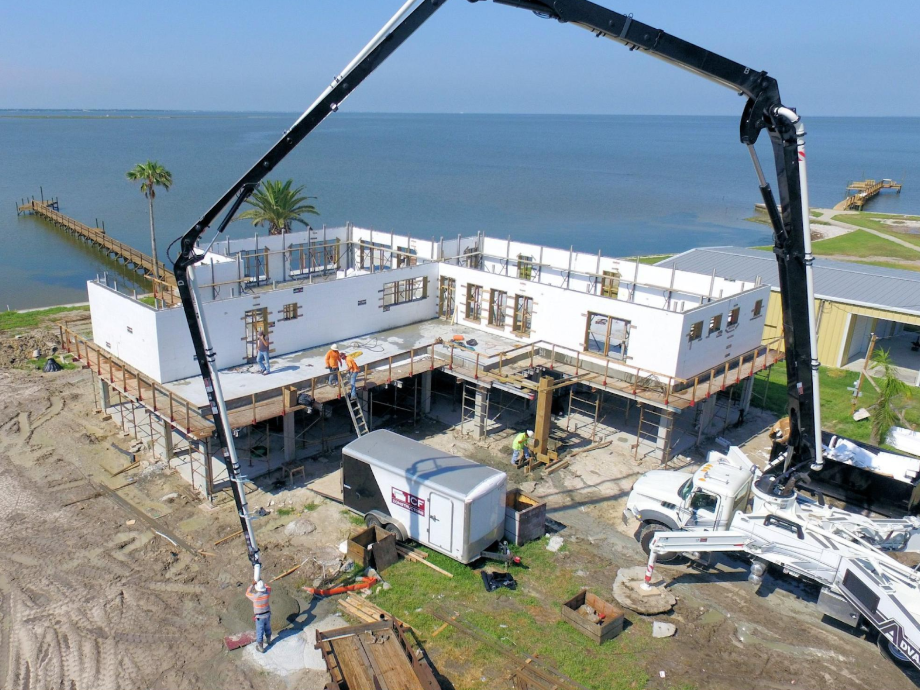
Passive House cost per square foot varies by region and builder experience, but the pattern is consistent: better enclosure performance reduces long-term energy use. Insulated concrete forms provide continuous insulation, inherent airtightness, and stable R-values because the insulation is uninterrupted by framing.
Homes built with assemblies that eliminate thermal bridging maintain predictable mechanical loads during temperature extremes. When construction teams streamline sequencing and reduce multi-layer complexity, the resulting net zero house cost becomes more predictable and easier to control.
Why Climate Affects Both Cost and Detailing
When owners evaluate net zero house cost across climate zones, they quickly see how insulation levels, glazing performance, and airtightness thresholds shift with location. Colder climates require thicker assemblies, while humid climates require vapor control and solar management. These variations influence labor hours, sequencing, and what trades must coordinate to maintain continuity.
Sequencing for High-Performance Assemblies
Construction sequencing plays a significant role in cost. Assemblies that combine structure, insulation, and air control into fewer layers reduce points of failure and simplify testing. Simpler sequencing benefits both Passive House and net zero homes, especially when local crews are familiar with blower-door testing and continuous insulation installation.
Mechanical, Glazing, and Site Factors That Influence Project Budgets
Mechanical strategies shape the budget even after envelope decisions are made. Passive House projects rely on balanced ventilation through heat-recovery ventilators to maintain air quality without losing energy. Net zero homes may take the same approach but have more freedom to size systems around renewable goals.
Glazing Packages and Whole-Building Performance
Triple-pane glazing is common in Passive House design because it supports the modeled performance target, while net zero projects use a broader range depending on climate and load profile. Because windows influence both heating and cooling behavior, glazing decisions affect insulation levels and mechanical capacity.
How Site Conditions Shift Cost
Lots with poor solar access require either a higher-performing enclosure or a larger renewable array. Irregular sites add foundation or excavation costs. Local labor markets also matter: regions familiar with high-performance detailing often see smaller cost premiums because trades know how to sequence transitions and testing.
Long-Term Performance, Durability, and Energy Balance
Thermal bridging control is a key variable impacting both performance and cost. Traditional framing interrupts insulation and raises the load profile, which increases the renewable-system requirement. Assemblies with uninterrupted insulation reduce that complexity and protect energy predictions. Over time, a stable enclosure preserves modeled performance and keeps the net zero house cost curve from rising due to unexpected load increases.
Lifetime Energy Use and Utility Savings
Long-term operating cost remains a strong motivator. Passive House projects stabilize indoor temperatures and energy use through very low infiltration. Net zero homes offset their consumption with renewable generation, keeping annual operational cost low. Over decades, both strategies create a ROI against the construction premium.
Adjusting Renewable System Size to Enclosure Performance
Net zero homes rely on photovoltaic arrays to balance their annual energy profile. If the enclosure performs well, the required array stays modest. If performance slips, the array must grow. Passive House projects often use small renewable systems because their load remains minimal.
Why the Enclosure Determines Total Project Predictability
Cost planning becomes more predictable when the enclosure is treated as the starting point. A well-insulated, airtight assembly stabilizes mechanical load and reduces renewable-system uncertainty. Predictability lowers design revisions and avoids late cost increases.
Energy Modeling and Material Stability
Energy modeling clarifies how upgrades to insulation, airtightness, and glazing reduce the load. Assemblies that maintain R-value and resist air leakage protect long-term performance. This stability is essential for both passive and net zero goals and directly shapes the long-term trajectory of net zero house cost under real seasonal conditions.
Airtightness Detailing Across Penetrations
Disciplined detailing around penetrations, window openings, and transitions protects energy performance and supports mechanical downsizing. Testing verifies these outcomes and strengthens long-term predictability.
Choosing Between Passive House and Net Zero Construction
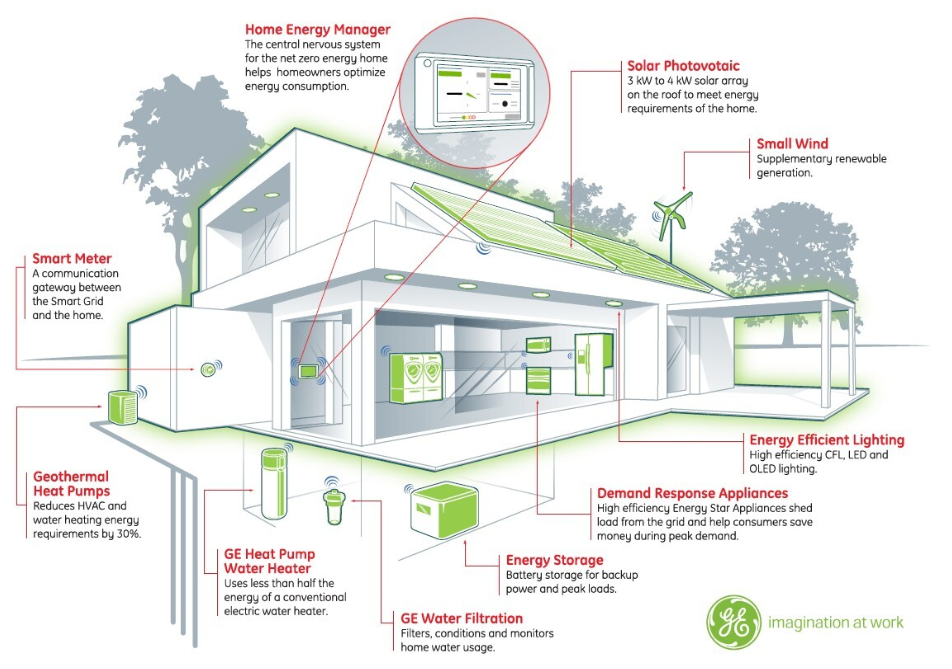
The owner’s goals ultimately determine whether passive house or net zero construction is the better fit. Passive house prioritizes extremely low energy use and comfort; net zero focuses on balancing energy use with onsite generation. Both approaches deliver low bills, resilience, and predictable performance.
Balancing Initial Cost and Long-Term Operation
High-performance homes require more planning and tighter construction, but they deliver lower utility bills and stable performance across seasons. As the enclosure improves, the renewable system becomes easier to size and maintain.
Builder Experience and Project Outcomes
Builders experienced with high-performance assemblies add value by sequencing tasks, planning transitions, and producing consistent blower-door results. Their familiarity reduces rework, testing delays, and unexpected costs.
How a High-Performance Enclosure Supports Renewable Planning
The most cost-effective passive and net zero homes treat the enclosure as the foundation of performance. When walls, roofs, slabs, and transitions control heat, air, and moisture together, mechanical and renewable systems become simpler and more predictable. In these conditions, the combined effect on net zero house cost becomes clear: stable loads equal smaller renewable systems and fewer design revisions.
Integrating Envelope and Mechanical Design
A clear understanding of how the enclosure, mechanical systems, and renewable energy interact gives owners a stronger position to plan budgets. When the enclosure performs consistently, renewable planning becomes more accurate and avoids unnecessary oversizing.
Build A High-Performance Home With Fox Blocks
Fox Blocks ICF wall systems create the continuous insulation, airtightness, and moisture control high-performance homes depend on. Our assemblies streamline construction, reduce thermal bridging, and support predictable energy modeling across climates. Fox Blocks wall assemblies exceed minimum code requirements and meet RESNET Net Zero requirements. Adding the Fox Blocks Energy Panel(s) increases the thermal resistance to meet passive requirements.
Contact us today to discuss your project requirements and evaluate options for your performance goals.