
Conditioned Crawl Space Details and Requirements You Should Know
Many homes still rely on vented crawl spaces that were drawn on the plans decades ago, long before moisture and indoor air quality were a priority. Owners notice the results first. Musty odors after rain, cold floors in winter, and rust or staining on metal in the crawl all signal that outdoor air and soil moisture are moving freely through the space instead of being managed as part of the home’s moisture strategy. A conditioned crawl space turns that underfloor area into interior space that protects structure, ductwork, and indoor air.
Why Vented Crawl Spaces Cause Persistent Problems
Vented crawl spaces behave like shallow exterior rooms.
How Outdoor Air Loads the Crawl Space
Warm, humid air enters through wall vents in summer and meets cooler framing and ducts, so condensation forms on wood and metal surfaces. In winter, cold air flows through the same openings, pulling heat out of the floor framing and making rooms above feel drafty. As warm air rises and escapes at the top of the house, it pulls crawl-space air upward through gaps in floors and wall cavities, so whatever is in that air eventually ends up in the rooms above.
These problems are most pronounced in humid and mixed climates, where outdoor air often carries more moisture than the materials in the crawl, but even in colder regions vented designs tend to increase heat loss and discomfort.
Common Signs That a Crawl Space Is Failing
The damage shows up in familiar ways:
Sagging or fallen insulation along the underside of the floor
Mold on joists and subfloor
Musty odors that migrate upward into the living space
Many owners only see the full extent of the problem when they schedule an inspection or plan a renovation. This type of crawl space changes the assembly by moving the thermal and moisture boundary to the perimeter walls and ground plane so the space behaves more like a short, insulated basement than an outdoor cavity under the house.
What a Sealed Crawl Space Includes
A conditioned crawl space is an enclosed volume under the house, insulated at the walls, and supplied with enough conditioned air or dehumidification to keep humidity and temperature within a controlled range.
Ground Vapor Barrier and Soil Contact
The soil is covered with a continuous vapor barrier that blocks ground moisture. Installers place a durable polyethylene sheet over the soil, lap seams generously, and tape overlaps so air cannot move freely beneath it. Most projects use at least a 6- to 10-mil membrane, overlapped several inches at seams before taping, so it can handle foot traffic and service work over time without tearing. Very thin, loosely laid plastic sheeting does not perform the same way because it:
Tears easily
Shifts under foot traffic
Leaves gaps where soil moisture can still load the air
The barrier runs up the foundation walls and is sealed to them so the membrane ties the floor plane into the walls instead of floating loose on the ground.
How Sealed and Encapsulation-Only Approaches Differ
This crawl-space design differs from a vented crawl space on one side and from basic “encapsulation only” methods on the other. Encapsulation projects that stop at plastic on the ground and sealed vents reduce some of the moisture load but may leave humidity uncontrolled as seasons change. A fully conditioned design adds deliberate humidity and temperature management so the underfloor area follows interior conditions more closely instead of drifting with outdoor weather.
Where Insulation and Wall Systems Belong
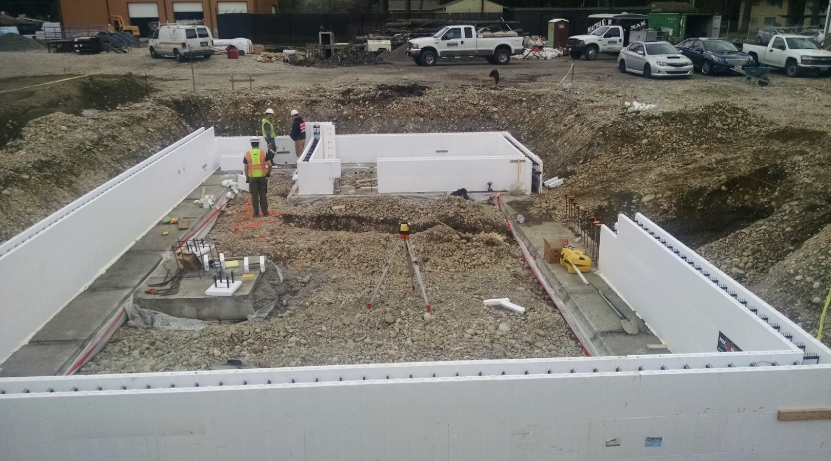
In crawl-space foundations, insulation placement is first a structural decision and then a material choice.
Thermal Boundary at the Crawl-Space Walls
The thermal boundary is placed at the crawl-space walls, not between floor joists, so the floor structure, ducts, and mechanical equipment remain inside the insulated envelope. Insulated wall systems such as Fox Blocks insulated concrete forms combine reinforced concrete with continuous foam insulation, creating a low-conductivity wall from the footing to the sill that pairs with the ground vapor barrier.
Wall Insulation Options in a True Conditioned Crawl Space
Building on that wall-based approach, insulation is usually provided by:
Rigid foam or other moisture-tolerant insulation applied continuously along the interior of conventional walls
ICF walls that already include foam as part of the formwork, reducing thermal bridges and keeping temperatures more even at the underside of the floor
Both options align the insulation with the wall plane so the crawl-space structure sees more stable temperatures and fewer thermal bridges.
Air Sealing, Conditioning, and Drainage
Once the walls and ground membrane are in place, long-term performance depends on how well the space is sealed, conditioned, and drained.
Air Sealing the Crawl-Space Perimeter
Air sealing is just as important as the ground membrane. Fixed vents are closed with solid covers, and rim joists, sill plates, and penetrations for pipes, wires, or ducts are sealed with foam, sealant, or gaskets so air moves only through intentional pathways, not a patchwork of leaks.
Mechanical Conditioning and Humidity Targets
Most codes recognize a few basic approaches: a small supply of conditioned air from the main system, a dedicated dehumidifier that serves the crawl space, or a mechanical exhaust strategy paired with a return pathway from the living space.
In practice, many projects aim to keep relative humidity in the crawl space in roughly the 45 to 55 percent range and always below 60 percent so materials stay dry enough to resist mold and surface condensation, and any condensate must drain to an appropriate location with controls kept easy to reach for service.
Exterior Drainage and Water Management
Grade should slope away from the foundation so surface water does not collect at the crawl-space walls, gutters and downspouts must direct roof runoff well away from the structure, and footing or perimeter drains may be needed where groundwater pressure is a concern. Even the best vapor barrier and interior sealing cannot overcome persistent bulk water problems if drainage around the home is not addressed.
Pros, Tradeoffs, and Costs for Homeowners
For homeowners, the advantages of converting to or building with a conditioned crawl space show up in everyday use. Floors feel closer to room temperature, drafts from cold air moving under the house drop, and indoor air quality improves because framing and ducts stay drier and mold has fewer surfaces to grow on.
Upfront Costs and Ongoing Responsibilities
Even so, there are tradeoffs to weigh. This type of assembly usually costs more upfront than leaving a crawl space vented and minimally insulated, and it depends on a dehumidifier or small HVAC supply that needs occasional service and humidity checks.
Typical Project Budgets and When Fox Blocks Helps
Most national cost guides put basic crawl-space encapsulation and sealing in roughly the $3 to $7 per square foot range, or about $3,000 to $8,000 for many homes, with extensive repairs and drainage work pushing projects toward $15,000 or more.
In new construction that includes a conditioned crawl space from the start, it is usually easier to integrate:
Drainage
Vapor barriers
Insulated walls
Mechanical conditioning
than in a retrofit that first has to correct standing water, mold, or structural issues. Using Fox Blocks ICF walls for the crawl-space foundation also helps, because the reinforced concrete core and foam insulation keep interior wall surfaces closer to indoor temperatures and simplify moisture control.
Planning and Verifying a Conditioned Crawl Space in New Construction
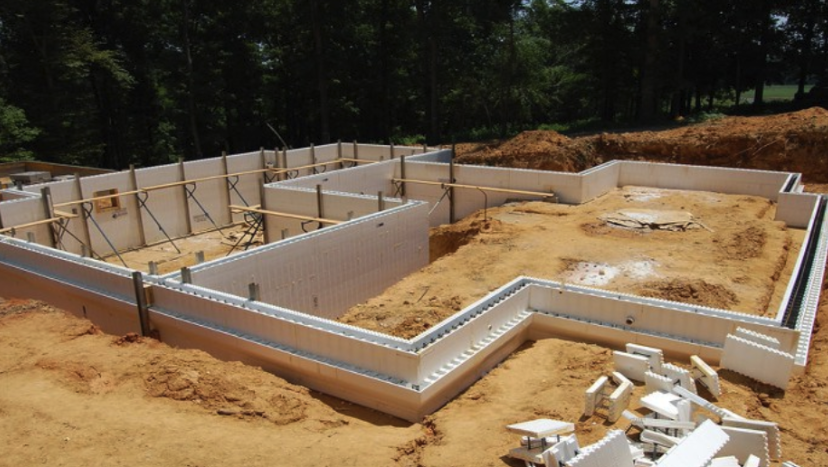
On a typical new build, the sequence for creating this type of crawl space starts at the footings, drainage, and crawl-space walls. It then moves to the ground vapor barrier, air sealing, insulation, and mechanical conditioning so the assembly acts as part of the thermal envelope from the first day.
Before the home is occupied, and during routine checks:
Confirm that the vapor barrier is intact
Make sure vents are blocked
Check that access doors close tightly
Verify that any drains or sumps work correctly
Check humidity a few times a year, especially after seasonal changes or major storms
Repair any leaks or tears in the membrane as soon as you see them
During those checks, clean or replace dehumidifier filters and make sure condensate drains are clear so the equipment can keep the crawl space dry. With those items in place, the conditioned crawl space can do its job quietly, supporting comfort, air quality, and durability for the home above.
The building code outlines specific requirements for ICF crawl spaces, including when an ignition barrier is required. In general, an ignition barrier is necessary unless certain conditions are met. These include situations where the space is accessed only for servicing equipment and no storage is permitted, where the crawl space is not interconnected with other areas of the home, where air is not circulated to other parts of the building, and where underfloor ventilation and combustion air are properly provided. When these criteria are satisfied, the crawl space may qualify for an exception under the code.
Design Better Crawl-Space Foundations With Fox Blocks ICF Walls
Fox Blocks insulated concrete forms provide a strong, insulated foundation wall for residential crawl spaces that must control moisture and support energy-efficient enclosures. Their continuous foam and reinforced concrete core create a stable base for vapor barriers, air sealing, and mechanical conditioning. Contact us today for more information.